
Retatrutide: what to know about the new weight loss treatment
Retatrutide (also known as “Triple G” or reta) is a potential new weight loss injection that is currently in Phase 3 clinical trials and showing strong results.
While retatrutide isn’t yet approved for use in the UK, it could become an option in the future. Meanwhile, there are other treatments already helping people achieve meaningful weight loss.
If you’re ready to take a step towards better health now, Oviva’s NHS-funded programme could help. If your BMI is over 35, you may be eligible for tailored support, access to weight loss injections where appropriate, and expert guidance to help you build healthier habits for life.
Key takeaways
- Retatrutide is a new weight loss medication that may work by suppressing appetite, improving blood glucose control, and aiding fat loss.
- It’s currently in Phase 3 clinical trials in the US and it’s unlikely to be approved in the UK before 2027.
- The medication would be taken as a weekly injection, designed to be self-administered.
- Phase 3 trials show up to 22.6% weight loss after 80 weeks – but more studies are needed.

What is retatrutide?
Retatrutide is a new weight loss treatment currently in Phase 3 clinical trials in the US. Trial results show it may offer significant benefits for people living with obesity and related health conditions.
Nicknamed “Triple G”, this medication works in a unique way. It targets three different hormone receptors – GLP-1, GIP, and glucagon (“Triple G”)– which may help to reduce appetite, regulate blood glucose levels, and support fat loss.
Retatrutide is not designed for general weight loss. If approved in the UK, it will be offered to people who are living with obesity.
It may also be prescribed for metabolic conditions such as type 2 diabetes or fatty liver disease.
Developed by Eli Lilly and Company – the makers of Mounjaro, another approved treatment – retatrutide is a peptide, meaning it’s made up of amino acids that act on the body’s natural systems.

Is retatrutide the same as Ozempic?
No – retatrutide and Ozempic are different medications and may be used in different clinical situations.
Ozempic and Wegovy (semaglutide)
Ozempic is a GLP-1 receptor agonist, which means it mimics the GLP-1 hormone to help suppress appetite and regulate blood glucose levels.
Ozempic is the brand name for semaglutide when used to treat type 2 diabetes.
When semaglutide is used for weight loss, it’s known as Wegovy.
Retatrutide
Retatrutide works differently to Ozempic because it has a triple-action mechanism, targeting the GLP-1, GIP, and glucagon receptors.
This means retatrutide may offer additional benefits and improve outcomes, although more evidence is needed as clinical trials continue.
Mounjaro (tirzepatide)
Mounjaro (tirzepatide) is another medication with a dual-action mechanism, targeting GLP-1 and GIP receptors – but, unlike retatrutide, it doesn’t target glucagon receptors.
How does retatrutide work?
Retatrutide causes weight loss by mimicking the hormones that manage hunger, slow digestion and increase energy.
What makes retatrutide unique is that it targets three different hormones in the body, which is why it’s earned the nickname “Triple G”:
- GLP-1
- GIP
- Glucagon
These play a part in how full you feel, how your body handles glucose, and how it stores fat.

1. Helps you feel fuller for longer
Retatrutide mimics the GLP-1 hormone, which is naturally released after you eat.
This hormone sends a signal to your brain that says, “I’m full” – helping to reduce your appetite and prevent overeating.
2. Supports steady energy and blood glucose
By also working on GIP and glucagon hormones, retatrutide helps your body release insulin.
Insulin is what allows your body to use sugar from food containing carbohydrates as energy and keep your blood glucose levels stable.
3. Avoids blood glucose crashes
Stable blood glucose can help you avoid the highs and lows that often lead to cravings or irregular eating habits.
This may make it easier to stay on track with weight loss and feel more in control of your eating.
4. Increases metabolism to burn fat
Both GIP and glucagon help your body burn energy, rather than storing it as fat.

How long does retatrutide take to work?
Retatrutide can start producing weight loss within the first few weeks of treatment.
Early clinical trials found that people taking higher doses lost around 5% of their body weight within the first four weeks.
Weight loss continued over time, with people generally losing more weight at higher doses.
Retatrutide weight loss results
The latest Phase 3 results show promising results for retatrutide.
In the TRIUMPH-3 trial, people living with severe obesity and cardiovascular disease lost an average of:
- 21.6% of their body weight after 80 weeks when taking 9 mg of retatrutide
- 22.6% of their body weight after 80 weeks when taking 12 mg of retatrutide
Compared to just 3.2% weight loss for those who were on a placebo.
And earlier trials showed that more than 85% of people with fatty liver (MASLD) saw their illness reversed.
As well as supporting weight loss and MASLD, may also be able to play a role in controlling type 2 diabetes.

How to take retatrutide
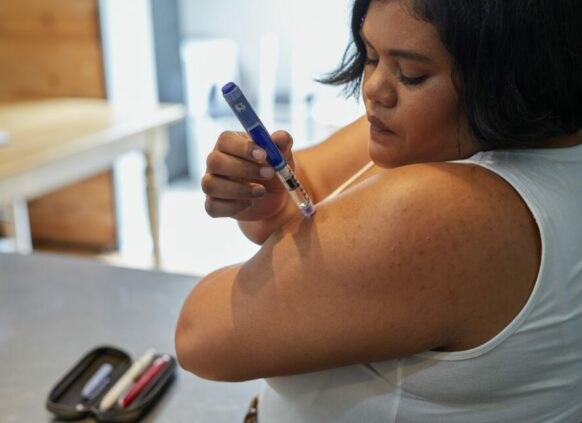
Retatrutide is expected to be a once-weekly injection that you can give yourself using a pen-style injector – similar to existing GLP-1 medications.
It can be injected into your thigh, upper arm, or stomach area.
To help your body adjust and reduce side effects, you’ll likely start on a low dose that gradually increases over time. This gives your body time to adjust to the medication gradually.
Retatrutide dosing schedule
The exact dosing plan hasn’t been confirmed yet, as clinical trials are still ongoing.
In the Phase 3 TRIUMPH-3 trial, the dose increased every four weeks, building up to a target dose of either 9 mg or 12 mg:
- Week 1–4: 2 mg
- Week 5–8: 4 mg
- Week 9–12: 6 mg
- Week 13–16: 9 mg
- Week 17+: 12 mg (for those taking the highest dose)
However, recommended dosing schedules may change depending on the final trial results, and often vary from person to person based on individual needs.
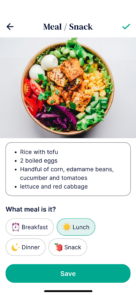
Easily log your meals with the photo diary in the Oviva app – a simple way to keep track of what you’re eating.
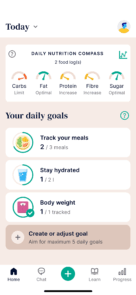
Your health coach will help you set the right personal goals that bring you closer to your feel-good weight.
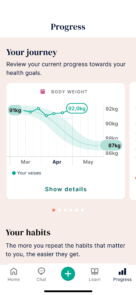
With your unique goals set, the Oviva app has all the tracking you need to work towards them with ease.
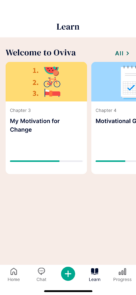
With learning content on nutrition, exercise, and motivation, you’ll become a weight-loss expert yourself.
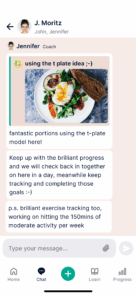
Get 1-to-1 support from a health coach and chat with our nutrition experts anytime via the Oviva app.
What are the side effects of retatrutide?
Because retatrutide is still being studied, we don’t yet know all of the possible side effects.
In clinical trials, some people have experienced:
- Diarrhoea
- Constipation
- Nausea
- Vomiting
- Hyperglycemia (high blood glucose)
These are similar to those seen with other weight loss injections, and for many people, they tend to settle as the body adjusts.
This is why it’s important to always take weight loss medications under medical supervision, so side effects can be monitored and managed.
Has retatrutide been released in the UK yet?
Not yet. Retatrutide is still in trials and isn’t currently available in the UK, either through the NHS or privately. It’s also not available in the United States.

When will retatrutide be available in the UK?
Right now, retatrutide is going through phase 3 clinical trials – the final stage before it can be approved by the UK Medicines and Healthcare products Regulatory Agency (MHRA).
It’s not expected to be approved until at least late 2027 or early 2028.
Is it available on the NHS?
No, at least not yet.
If trials go well, and the medication is approved for use in the UK by the MHRA, it may become available on the NHS as a treatment option. However, this would likely be 2029 at the earliest.
We don’t yet know who will be eligible – and it’s unlikely to be available over the counter.
If you’re looking for support now, Wegovy is one of the weight loss injections currently available on the NHS.
At Oviva, our medical weight loss programme helps people access professional, NHS-funded weight loss support and, if appropriate, weight loss medication.
Want to see if you’re eligible? Your GP can tell you!
Download our info pack for everything you need to take to your appointment.
How much does retatrutide cost?
There’s no official price for retatrutide yet, because it hasn’t been approved or released anywhere in the world.
You might see it mentioned online – but please be careful.
An illegal market is starting to appear, selling unapproved products that may not be retatrutide at all. These can be dangerous, unregulated, and even life-threatening.
If you’re considering weight loss medication, always speak to a trusted healthcare provider first. Your safety matters most.
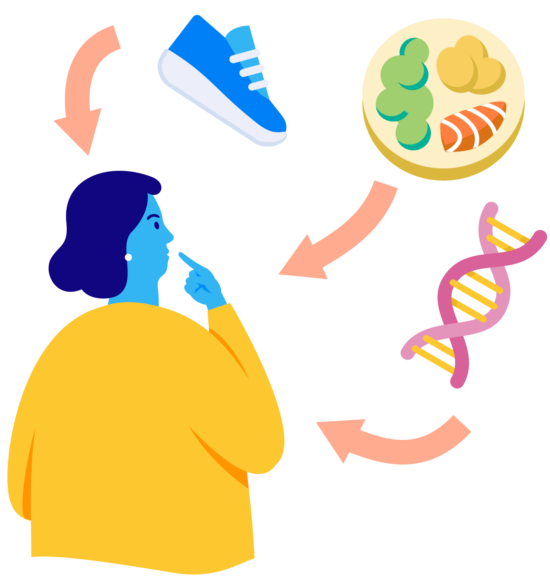
Retatrutide isn’t available yet – but effective weight loss support is
Can’t access retatrutide yet? You don’t have to wait to get started.
Oviva’s NHS-funded programme could help you lose weight effectively, with a tailored plan that’s backed by science.
If your BMI is over 35 and you’re living with a weight-related condition, you could be eligible.
With Oviva, you’ll get:
- A personalised plan, built by dietitians, doctors and coaches
- Ongoing, flexible, remote support – no calorie counting, no quick fixes
- Oviva app to log meals, set goals, track progress and message your team – all from the comfort of wherever you are
- Medication if it’s suitable for you, delivered to your door and covered by the NHS
Oviva is designed to fit your life – no strict rules, no pressure.
Lose weight in a way that works for you – and keeps it off.

Medically reviewed by Juliet Finnie
Juliet Finnie is a UK-registered dietitian and Clinical Lead Dietitian at Oviva.
With specialist experience in weight management and diabetes gained across NHS services, Juliet is passionate about translating nutrition science into practical, personalised advice that helps people build sustainable, healthy habits.
-
 Weight loss support
Why am I not losing weight in a calorie deficit?
-
 Weight loss support
Hypothyroidism diet: what to eat and what to avoid
-
 Weight loss support
How to stop sugar cravings