
How to stop sugar cravings
If you’ve ever found yourself reaching for chocolate or biscuits without really thinking about it, you’re not alone. Sugar cravings are incredibly common and often influenced by a combination of biology, habits, emotions and your daily routine.
The good news is that small changes to how you eat and live can make a big difference.
Here’s what causes sugar cravings and ten tips to manage them.
And if you’re ready to make lasting changes to your diet, Oviva is here to support you.
Key takeaways
- Sugar cravings are normal and can be triggered by hunger, habits, stress, tiredness and your environment.
- Eating regular, balanced meals, getting enough sleep, staying active and managing stress can all help reduce sugar cravings.
- Lasting changes are easier with the right support. Oviva helps you build healthier eating habits that support successful, long-term weight loss.

Why does our body crave sweet foods?
If you’ve ever found yourself reaching for chocolate or biscuits without really thinking about it, you’re not alone. Sugar cravings are incredibly common and often influenced by a combination of biology, habits, emotions and your daily routine.
The good news is that small changes to how you eat and live can make a big difference.
Here’s what causes sugar cravings and ten tips to manage them.
And if you’re ready to make lasting changes to your diet, Oviva is here to support you.
Physical reasons
Your body needs energy
Sweet foods are typically high in carbohydrates, which provide the body with a quick source of energy. Craving something sweet may simply be your body’s way of signalling that it needs fuel.
Blood glucose fluctuations
Changes in blood glucose levels can contribute to sugar cravings. When blood glucose levels dip, the body may look for a fast source of energy, making biscuits, cakes and sugary drinks especially tempting.
Evolution
Throughout human history, sweet foods were rare but energy-dense, so our bodies evolved to seek them out. Today, sugar is widely available, but our biological preference for sweetness hasn’t changed.
Emotional reasons
The brain’s reward system
Eating sweet foods triggers the release of dopamine, often referred to as the brain’s “feel-good” chemical. This creates feelings of pleasure and satisfaction.
Coping with stress
Many people crave sugary foods during stressful periods because dopamine can temporarily improve mood. However, while sweets may provide short-term comfort, they don’t address the underlying causes of stress or emotional imbalance.
Habit
The brain remembers the positive feelings associated with eating sugary foods and begins to seek them out more often. Over time, these cravings can become habitual.
Everyone responds differently to sweet foods, but adopting a balanced lifestyle and healthy eating habits can help reduce cravings.
If you’d like extra support, Oviva is here to help. Our app guides you step by step towards healthier eating and activity habits, making it easier to make instinctively healthier choices.
Alongside helping you lose weight, a healthier lifestyle can also support goals such as lowering your blood pressure and improving blood glucose control.

8 tips to help stop sugar cravings
1. Eat balanced meals
When your meals lack the nutrients that make you feel energised and satisfied, your body looks for a quick source of energy.
Sugary foods provide energy quickly, so they’re often the ones we crave most. Eating regular, balanced meals can help prevent this.
Instead, focus on meals that include:
- Lean protein
- Fibre
- Vegetables
- Healthy fats
Learn the healthy eating plate
2. Choose naturally sweet foods first
If you’re craving something sweet, try reaching for naturally sweet foods before sugary snacks.
Fruit provides natural sweetness as well as fibre, vitamins and minerals, helping to satisfy your craving while supporting your overall health.
Pair fruit with a source of protein or healthy fats to help keep you fuller for longer. For example, try berries with Greek yoghurt or an apple with peanut butter.
3. Don’t let yourself get too hungry
When you’re very hungry, it’s much harder to make balanced food choices. Your body wants energy quickly, making chocolate, sweets and other sugary foods especially tempting.
If you know you’ll be out for several hours or have a busy day ahead, plan ahead by taking a healthy snack with you.
Options like nuts, fruit or dark chocolate rice cakes can take the edge off your hunger and stop cravings from taking over.

“I feel like a new person, a different person. I feel different, look different, act different. I have found myself and I have turned a corner in terms of weight.”
4. Think about your triggers
Sugar cravings aren’t always caused by physical hunger. They can also be triggered by habits, emotions or certain situations.
For example, you might:
- Automatically reach for chocolate while watching TV
- Crave biscuits during an afternoon slump
- Find yourself snacking when you’re feeling stressed
This is partly because sweet foods trigger dopamine, so your brain can associate sugar with comfort, pleasure or a quick boost.
Rather than trying to ignore your cravings, take a moment to think about what’s triggering them.
Are you genuinely hungry, or is it boredom, stress, tiredness or simply habit?
Once you understand what’s driving your cravings, you can choose a response that really meets that need.
If you’re genuinely hungry, have a balanced meal or snack.
If you’re tired, you may need rest.
If you’re stressed or sad, try doing something you enjoy instead, like your favourite hobby, calling a friend, reading or going for a walk.
5. Make the healthy choice easy
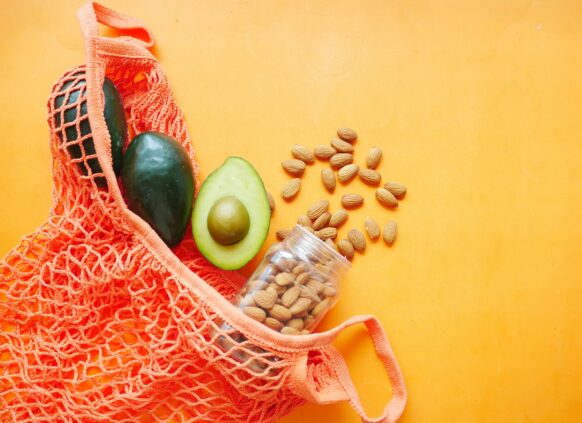
Willpower isn’t always enough, especially when you’re tired, stressed or busy. So, make healthier options the easiest ones to reach for:
- Keep fruit on the kitchen bench
- Stock the fridge with prepared vegetables or high-protein snacks
- Take healthy snacks with you when you’re out
6. Work on your sleep hygiene
Getting enough sleep isn’t always easy. Work, young children, shift patterns, stress and other responsibilities can all make it difficult to get the rest you need. However, even small improvements to your sleep may help reduce sugar cravings.
When you’re sleep deprived, your body produces more ghrelin – the hormone that increases feelings of hunger. At the same time, when you’re tired, your body looks for sources of energy, making sugary foods harder to resist.
Good sleep hygiene can help improve the quality of your sleep. Try to:
- Keep a regular bedtime where possible – even if you can’t get more sleep, going to bed and waking up at similar times each day can help your body settle into a routine.
- Switch off screens 30–60 minutes before bed if you can. If that’s not realistic, try a nightlight setting or avoid scrolling in bed.
- Avoid caffeine later in the day, particularly during the afternoon and evening.
- Create a wind-down routine that works for you, whether that’s reading, listening to a podcast or taking a few quiet minutes before bed.
- Make your bedroom as sleep-friendly as possible – for example, by using blackout curtains, earplugs or keeping the room cool – can improve sleep quality.
7. Think about your stress levels
Stress is a normal part of life, but when it becomes ongoing, it can make sugar cravings harder to manage.
This is partly because your body produces more cortisol, a hormone linked to increased cravings for sugary foods.
If you notice stress is triggering your cravings, it may help to:
- Take a short walk or get some fresh air.
- Build regular breaks into your day, even if they’re only five minutes.
- Talk to a friend or family member about how you’re feeling.
- Spend a few minutes doing something you enjoy, such as reading, gardening or listening to music.
- Avoid skipping meals, as stress and hunger together can make cravings even stronger.
8. Stay physically active
Regular movement may help reduce stress and make sugar cravings easier to manage. It can also be a helpful way to break habits, such as reaching for something sweet when you’re bored or looking for an energy boost.
You don’t need to spend hours in the gym to see the benefits. Try to find ways to move that you enjoy, such as:
- Going for a walk
- Dancing or following an exercise class
- Gardening or doing active jobs around the house
- Playing with your children or walking the dog
If you’re doing long or intense workouts, make sure you eat enough before and afterwards. Fuelling your body properly can help prevent energy dips that may trigger cravings later on.

9. Don’t restrict yourself
It might seem like cutting out sugar completely is the best way to stop cravings, but for many people, strict rules can have the opposite effect.
When foods feel “off limits”, they’re often the very ones we think about most.
Instead of cutting out your favourite treats altogether, enjoy them occasionally as part of a balanced diet. This can actually make healthy eating easier to maintain in the long term!
10. Get professional support
Making changes to your diet is much easier when you don’t have to do it alone.
Having personalised advice, practical tools and ongoing support can help you understand your cravings, build healthier habits and stay motivated over time.
With the Oviva app, you’ll receive practical weekly guidance to help reduce sugar cravings, including:
- A photo food diary
- Meal analysis
- Educational content on nutrition, weight loss and building healthier habits

Medically reviewed by Lucy Diamond
Lucy Diamond is a UK-registered dietitian and Vice President of Patient Outcomes at Oviva.
With almost a decade of NHS experience and a role on the Board of Directors at the British Dietetic Association (BDA), Lucy ensures Oviva’s programmes are evidence-based, patient-centred and reflect the latest clinical research.
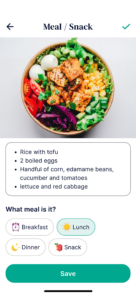
Easily log your meals with the photo diary in the Oviva app – a simple way to keep track of what you’re eating.
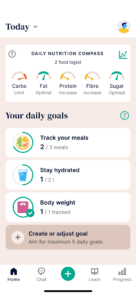
Your health coach will help you set the right personal goals that bring you closer to your feel-good weight.
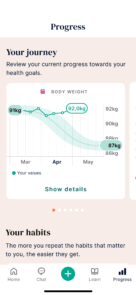
With your unique goals set, the Oviva app has all the tracking you need to work towards them with ease.
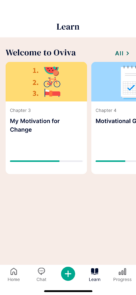
With learning content on nutrition, exercise, and motivation, you’ll become a weight-loss expert yourself.
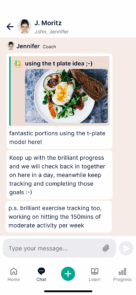
Get 1-to-1 support from a health coach and chat with our nutrition experts anytime via the Oviva app.
-
 Weight loss support
Gout diet – what to eat and avoid to prevent flare ups
-
 Weight loss support
Why you’re always hungry
-
 Weight loss support
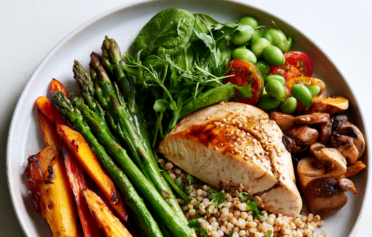
Healthy eating plate – an easy way to a balanced diet