
Gallstones diet: what to eat and avoid
There’s no specific gallstones diet that works for everyone, and you can’t dissolve gallstones by changing your diet. However, there are changes you can make to your diet to manage symptoms and reduce your risk of developing more.
Being overweight can also increase your risk of developing gallstones. If you’re also looking to manage your weight, Oviva’s NHS-funded medical weight management programme can support you with personalised care and help you build healthier habits that last.
Key takeaways
- There’s no one-size-fits-all diet for gallstones, and existing gallstones generally can’t be dissolved through diet alone.
- Eating regular meals and avoiding long periods without food may help reduce the risk of gallstones and symptoms.
- High-fibre foods and plenty of fruit and vegetables can support a balanced eating pattern and may help reduce your risk.
- Fatty foods can trigger pain for some people, so adjusting the amount you eat may help if you notice a link with your symptoms.
- If you’re living with overweight or obesity, gradual and sustainable weight loss may reduce some health risks, while rapid weight loss can increase the risk of gallstones.
What are gallstones?
Gallstones are solid deposits that develop in the gallbladder or bile ducts. They can range in size from very small particles to larger stones.
The gallbladder is a small organ underneath the liver. It stores bile, a digestive fluid produced by the liver. Bile helps your body digest fat.
Gallstones can form when the substances that make up bile become unbalanced. Cholesterol is one of the most common components of gallstones.
Some people have gallstones without experiencing any symptoms. In other cases, gallstones can block the flow of bile and cause pain or other complications.
What increases the risk of gallstones?
There are several factors that may increase the risk of developing gallstones. These include:
- Being overweight
- Losing weight very quickly
- Eating a very restrictive diet
- Going for long periods without eating
- Having a family history of gallstones
- Being female
- Increasing age
- Certain medical conditions or medicines
- Hormone changes
Can you dissolve gallstones with diet?
There is no guaranteed natural method for removing existing gallstones.
Changing your eating habits can support your overall health and may help reduce the risk of developing further gallstones. However, existing gallstones generally cannot be dissolved simply by changing what you eat.
If you are overweight, gradual weight loss may also reduce some health risks. However, losing weight very quickly can increase the risk of developing gallstones, so it’s important to avoid very restrictive eating patterns and extreme weight loss.
If gallstones are causing significant symptoms or complications, a healthcare professional can discuss appropriate treatment options with you.
Is there a diet for gallstones?
There’s no one-size-fits-all diet for gallstones, and the foods that trigger symptoms can vary from person to person. But that doesn’t mean changing how you eat can’t help.
There are several practical changes you can make that may help reduce pain and other symptoms, while supporting your overall health. You can also make lifestyle changes that reduce your risk of developing gallstones.
Eat regular meals and avoid fasting
Try to eat regular meals throughout the day rather than skipping meals or fasting for long periods. Going for long periods without eating reduces how often your gallbladder empties, which may increase the risk of gallstones forming or getting bigger.
If large meals trigger pain or discomfort, try eating smaller portions more frequently. Eating breakfast soon after waking may also help, as cholesterol concentrations in bile are highest overnight.
Aim for an eating routine that feels manageable and that you can maintain long term.
Be mindful of how much fat you eat
Fat is an important part of a balanced diet. But regularly eating a lot of fatty foods can increase your risk of developing gallstones over time.
Fatty meals can also make your gallbladder contract to release bile. If you already have gallstones, this can trigger sharp pain.
If you notice that fatty foods make your symptoms worse, reducing the amount you eat may help.
You could try:
- Choosing leaner cuts of meat and removing visible fat or skin
- Choosing lower-fat dairy products
- Grilling, steaming, boiling or baking foods instead of frying them
- Limiting fried foods, pastries, processed meats and creamy sauces
This isn’t about restriction – focus on making manageable changes based on your symptoms while still getting the nutrients your body needs.
Choose high-fibre carbohydrates
Carbohydrates can absolutely be part of a balanced diet if you have gallstones. Where possible, choose higher-fibre options, as getting enough fibre may help reduce your risk of developing gallstones.
Good sources of fibre-rich carbohydrates include:
- Oats and wholegrain cereals
- Wholegrain bread and pasta
- Brown rice
- Potatoes with their skins on
- Beans, lentils and other pulses
You can also get fibre from fruit, vegetables, nuts and seeds. If you don’t currently eat much fibre, increase it gradually and drink plenty of fluids to give your body time to adjust.
Eat plenty of fruit and vegetables
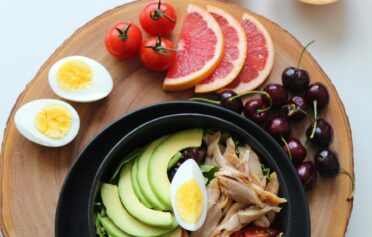
Aim for at least five portions of fruit and vegetables each day. They’re a good source of fibre and can help you build a balanced diet that supports your overall health.
Fresh, frozen and tinned options all count, so choose what works for your budget, routine and preferences. Try including a variety across the week to get a wider range of nutrients.
If you find that certain fruits or vegetables trigger your symptoms, you can adjust what you eat based on what works for you rather than cutting out the whole food group. It’s also important to chat this through with a healthcare professional.
Identify foods that trigger your symptoms
Gallstone triggers can be different for everyone. High-fat foods are a common trigger, but you may notice that other foods or larger meals bring on pain or discomfort too.
Keeping a food and symptom diary for a couple of weeks can help you spot patterns. Make a note of what you eat, roughly how much, and any symptoms you experience afterwards.
If you notice that certain foods regularly trigger your symptoms, speak to a healthcare professional. They can help you decide whether you need to adjust your diet while making sure you’re still getting the nutrients you need.
If you’re avoiding lots of foods because of your symptoms or finding it difficult to eat a balanced diet, speak to a healthcare professional for personalised advice.

I’ve spent my entire life struggling with my weight, and for the first time I’ve found something that truly works. It’s been life-changing and I know it can help so many others, who feel stuck like I did.
Is there anything you should avoid?
Can you drink alcohol with gallstones?
You don’t usually need to avoid alcohol just because you have gallstones. There isn’t strong evidence that drinking alcohol directly causes gallstone symptoms.
However, alcohol can affect your health in other ways, so it’s still important to stay within the recommended UK limits of no more than 14 units a week.
If you notice that drinking alcohol seems to coincide with your symptoms, speak to your GP for individual advice.
Weight loss benefits of giving up alcohol
Should you avoid salt if you have gallstones?
You don’t need to avoid salt just because you have gallstones. There’s no strong evidence that salt directly causes gallstones or triggers symptoms.
A healthy, balanced diet can help support your overall health and may reduce your risk of developing more gallstones. Try to limit foods that are high in salt as part of a balanced diet.

Which foods cleanse the gallbladder?
There is no food that can reliably “cleanse” or detox the gallbladder.
Your liver and body already have natural processes for processing and removing waste.
A varied eating pattern that includes vegetables, fruit, wholegrains, fibre-rich foods and appropriate amounts of healthy fat can support your overall health.
Rather than looking for a quick ‘cleanse’, focus on small changes that you can maintain over time.
Frequently asked questions about gallstones and eating habits
Can I eat eggs if I have gallstones?
Eggs can be part of a varied eating pattern. However, some people find that eggs or meals containing eggs trigger their symptoms.
If you notice discomfort after eating eggs, you could try only eating the egg whites – they have no fat and so are less likely to trigger pain.
Can I eat cheese if I have gallstones?
You can still eat cheese if you have gallstones. The amount of fat in cheese can vary, so you may find lower-fat options easier to manage if high-fat foods trigger your symptoms.
You don’t need to cut out cheese completely. Instead, try having a portion that works for you and consider how it fits into your overall eating pattern.
Can I eat meat if I have gallstones?
You can still eat meat if you enjoy it and it doesn’t trigger your symptoms.
If you’re looking to reduce your fat intake, choose leaner cuts of meat where you can. These tend to contain less fat than fatty cuts and processed meats.
You can also include other sources of protein, such as:
- Beans and pulses
- Fish
- Tofu
- Lower-fat dairy products
Can I drink coffee if I have gallstones?
Regularly drinking coffee may be linked with a lower risk of developing gallstones over time.
If you already have gallstones, coffee can make your gallbladder contract and may trigger pain. If coffee causes you discomfort, try drinking less and see if this improves your symptoms.
Can I eat spicy food if I have gallstones?
Spicy foods are not automatically a problem for everyone with gallstones.
If you notice that spicy foods trigger symptoms, you may want to reduce them or choose milder alternatives.
However, it’s worth paying attention to what type of spicy food triggers symptoms as it may not be the spice, but something else such as fat content.
Can losing weight help with gallstones?
Having overweight or obesity can increase the risk of gallstones.
If you want to lose weight, gradual and sustainable changes are generally more appropriate than rapid weight loss or very restrictive eating.
Rapid weight loss can increase the risk of developing gallstones, so it is important to focus on long-term habits rather than short-term changes.
Nutrition therapy for gallstones
If you have ongoing symptoms or have been diagnosed with gallstones, a healthcare professional can help you understand your symptoms and what may be causing them.
A dietitian can help you find eating habits that work for you, taking into account your preferences, lifestyle and individual needs.
There’s no need to follow strict rules. Instead, it’s about finding a way of eating that supports your health and feels manageable in everyday life.
Sustainable changes can support your health
Small changes add up over time. You may choose to start by making one change to your meals, becoming more aware of your hunger and fullness, or finding ways to include more movement in your everyday routine.
You do not need to change everything at once.
The aim is to build habits that work for your life and help you feel more in control.

Ready to feel more in control of your health?
If you’re finding it difficult to lose weight or make changes that last, you don’t have to work it out on your own.
With Oviva, you’ll get a personalised weight loss plan from healthcare professionals who can help you build healthier habits that fit into your everyday life.
You’ll have support along the way, helping you turn what you learn into practical changes you can stick with for the long term.
Take your first step towards lasting change with Oviva – NHS-funded medical weight loss is available if you’re eligible.
Medically reviewed by Lucy Diamond
Lucy Diamond is a UK-registered dietitian and Vice President of Patient Outcomes at Oviva.
With almost a decade of NHS experience and a role on the Board of Directors at the British Dietetic Association (BDA), Lucy ensures Oviva’s programmes are evidence-based, patient-centred and reflect the latest clinical research.
-
 Weight loss support
Why am I not losing weight in a calorie deficit?
-
 Weight loss support
Hypothyroidism diet: what to eat and what to avoid
-
 Weight loss support
How to stop sugar cravings