
Hypothyroidism diet: what to eat and what to avoid
While there is no specific diet that can cure hypothyroidism (underactive thyroid), eating a balanced diet can support your overall health, provide important nutrients for thyroid function and help with weight loss if hypothyroidism has contributed to weight gain.
So, what should you eat if you have an underactive thyroid? Explore the best foods for hypothyroidism, foods you may need to limit, and how your diet can affect thyroid medication.
Plus, discover how Oviva can help you lose weight and feel better in your body, without restrictive diets or calorie counting.
- There’s no specific diet that can cure hypothyroidism – focus on a balanced diet rich in whole foods, protein, fibre and healthy fats.
- Nutrients including iodine, selenium and iron support healthy thyroid function, but more isn’t always better – high-dose supplements can be harmful.
- You don’t usually need to avoid foods like soy, broccoli or gluten, although some foods and supplements can affect how your thyroid medication is absorbed.
- Weight loss won’t cure hypothyroidism, but reaching a healthier weight if you’re carrying excess weight can benefit your overall health and wellbeing.
- If you take levothyroxine, timing matters – food, caffeine, iron and calcium can affect absorption, so follow your healthcare professional’s instructions.

How can diet help hypothyroidism?
There is no specific diet that can cure hypothyroidism or make an underactive thyroid start producing enough hormones again. If you have been prescribed levothyroxine, you should continue taking it as directed by your healthcare professional.
However, your diet can still play an important role in managing hypothyroidism. Eating a varied, balanced diet can help you:
- Get nutrients involved in healthy thyroid function, including iodine, selenium and iron
- Avoid nutritional deficiencies
- Manage your weight
- Support digestive health, particularly if constipation is one of your symptoms
- Reduce your risk of other health conditions
Rather than following a restrictive “thyroid diet”, aim for a balanced diet containing plenty of vegetables and fruit, wholegrain carbohydrates, protein-rich foods and healthy fats.
What is the best diet for hypothyroidism?
There isn’t one specific eating plan that everyone with hypothyroidism needs to follow. For most people, the best diet for an underactive thyroid is simply a balanced, realistic diet based around minimally processed foods.
Try to include:
- Plenty of fruit and vegetables
- Wholegrain and higher-fibre carbohydrates
- Lean protein from foods such as fish, eggs, beans, pulses and lean meat
- Dairy products or iodine-fortified alternatives
- Healthy fats from foods such as olive oil, nuts, seeds and oily fish
Mediterranean-style eating can be a useful framework because it focuses on vegetables, fruit, wholegrains, pulses, fish and unsaturated fats rather than highly processed foods.
There is currently no conclusive evidence that everyone with hypothyroidism needs to follow a restrictive gluten-free, dairy-free or “autoimmune” diet. If you have another diagnosed condition such as coeliac disease or have been advised to avoid particular foods, your GP or dietitian can help you adapt your diet safely.
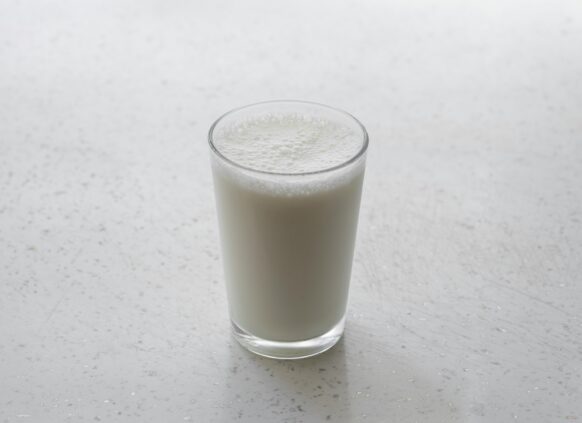
Why is iodine important for hypothyroidism?
Iodine is an essential mineral that the thyroid gland uses to make thyroid hormones. Your body cannot make iodine itself, so you need to get it through your diet.
In the UK, adults need around 140 micrograms of iodine a day. Good sources include:
- Cow’s milk and dairy products
- Eggs
- Sea fish and shellfish
Some plant-based milk alternatives are also fortified with iodine, so check the nutrition label if you don’t eat dairy.
However, getting more iodine does not necessarily improve hypothyroidism. Excessive iodine intake can also disrupt thyroid function, and if you have thyroid disease, you should speak to your GP or dietitian before taking an iodine supplement. Kelp and seaweed supplements are particularly worth avoiding because their iodine content can be very high and unpredictable.
You do not routinely need an iodine supplement simply because you have an underactive thyroid – a balanced diet should provide enough iodine.
Key nutrients for hypothyroidism: what to eat
A balanced diet should provide most of the vitamins and minerals you need. However, some nutrients are particularly relevant to thyroid function, while deficiencies in nutrients such as iron, vitamin B12 and vitamin D may also contribute to symptoms such as tiredness.
Unless your healthcare professional has identified a deficiency, you shouldn’t assume that taking high-dose supplements will improve your thyroid function. Some supplements can be harmful in excessive amounts or interfere with thyroid medication.
| Nutrient | Good food sources |
|---|---|
| Iodine | Cow’s milk and dairy products, eggs, sea fish, shellfish, iodine-fortified plant milks |
| Selenium | Brazil nuts, fish, eggs, meat, beans and lentils |
| Iron | Red meat, beans, lentils, fortified cereals, nuts, seeds and leafy green vegetables |
| Zinc | Meat, shellfish, dairy products, beans, lentils, nuts and seeds |
| Magnesium | Nuts, seeds, wholegrains, beans, lentils and leafy green vegetables |
| Folate | Leafy green vegetables, broccoli, peas, chickpeas and fortified cereals |
| Vitamin D | Oily fish, egg yolks and fortified foods |
| Vitamin B12 | Meat, fish, eggs, dairy products and fortified foods |
If you eat a vegetarian or vegan diet, pay particular attention to iodine, iron, zinc and vitamin B12, as some of their richest sources are animal products. Choose iodine- and B12-fortified foods where appropriate and speak to a healthcare professional before taking supplements.
Vitamin D is slightly different because it is difficult to get enough from food alone – the NHS recommends that adults consider taking 10 micrograms of vitamin D a day during autumn and winter.
What foods should you avoid with hypothyroidism?
Most people with hypothyroidism do not need to avoid specific foods completely. However, there are a few foods and supplements worth being aware of.
Kelp and seaweed supplements
These can contain very high amounts of iodine. Too much iodine can interfere with thyroid function, so avoid taking kelp or seaweed supplements unless advised by a healthcare professional.
Highly processed foods
Foods high in added sugar, saturated fat and salt are best eaten less often as part of an overall balanced diet, particularly if you’re trying to manage your weight or cardiovascular health.
Soy
You don’t necessarily need to remove soy from your diet, but it can interfere with the absorption of levothyroxine. If you regularly eat soy or drink soy milk, ask your pharmacist or doctor about the best way to time it around your medication.
Very large amounts of raw cruciferous vegetables
Vegetables such as cabbage, broccoli, cauliflower and kale contain compounds known as goitrogens. However, eating normal amounts as part of a varied diet is unlikely to cause problems, so there is generally no need to avoid these nutritious vegetables.
Can you eat broccoli and other goitrogenic foods?
Yes. You generally don’t need to avoid broccoli, cabbage, cauliflower, kale or other cruciferous vegetables if you have hypothyroidism.
These foods contain naturally occurring compounds called goitrogens, which can affect how the thyroid uses iodine when consumed in very large amounts. However, normal portions are unlikely to cause problems as part of a balanced diet, and cooking also reduces goitrogenic activity.
These vegetables provide fibre, vitamins and minerals, so there is usually no reason to remove them from your diet.
1-day hypothyroidism diet meal plan
There’s no single meal plan that suits everyone with hypothyroidism, but this example shows how you could combine protein, fibre, healthy fats and important micronutrients throughout the day.
Breakfast: porridge topped with berries, yoghurt and a small handful of nuts.
Lunch: wholegrain wrap with salmon, salad leaves, cucumber and yoghurt dressing, served with a piece of fruit.
Snack: apple with peanut butter, or yoghurt with berries.
Dinner: lentil and vegetable curry with brown rice and steamed broccoli.
Alternative vegetarian option: replace fish or meat with eggs, beans, lentils, tofu or another protein source. If you follow a vegan diet, choose plant milks and other products fortified with iodine and vitamin B12.
Your individual energy needs will depend on factors including your age, body size, activity levels and whether you’re trying to lose, gain or maintain weight.
My favourite feature is just snapping a photo of my meal and having all the ingredients recognised. It’s so simple and fits perfectly into my daily routine.
Can weight loss help hypothyroidism?
Weight loss won’t cure hypothyroidism or replace thyroid medication. However, if you’re carrying excess weight, losing some of it can still have important benefits for your health and wellbeing.
An underactive thyroid can slow your metabolism and contribute to weight gain. In turn, carrying excess weight can increase your risk of other health problems.
Reaching a healthier weight may help to:
- Improve energy and mobility
- Reduce strain on your joints
- Lower your risk of type 2 diabetes
- Support heart health
- Improve your overall wellbeing
If you want to lose weight with hypothyroidism, you don’t need a special or highly restrictive diet. Focus instead on sustainable changes and a balanced diet rich in vegetables, fruit, wholegrains and protein.
If you’re finding it particularly difficult to lose weight, speak to your GP. They can check your thyroid hormone levels and make sure your treatment is working as it should.
Hypothyroidism diet and levothyroxine: does timing matter?
If you take levothyroxine, what you eat – and when you eat it – can affect how well your body absorbs your medication.
The NHS recommends taking levothyroxine on an empty stomach, usually 30 to 60 minutes before your first meal of the day or any drink containing caffeine, such as tea or coffee.
Some foods, medicines and supplements can also interfere with absorption. In particular, pay attention to:
- Calcium supplements
- Iron supplements
- Antacids
- Soy
- Coffee and other caffeinated drinks
NHS England advises separating levothyroxine from calcium and iron supplements by around four hours.
Consistency is important too. If you regularly eat a high-fibre diet or foods such as soy, don’t make major changes without discussing them with your doctor or pharmacist, as your levothyroxine dose may need to be monitored.
If you’re unsure when to take your medication around meals or supplements, check the patient information leaflet or speak to your pharmacist.

NHS-funded medical weight loss
With Oviva, you’ll get personalised support from a nutrition professional to help you build healthier habits and lose weight in a way that works for your body and your everyday life.
There are no restrictive diets and no calorie counting. Instead, you’ll make small, sustainable changes to the way you eat, move and live – with expert guidance to help you stay on track.
Find out how Oviva can support your weight loss journey.
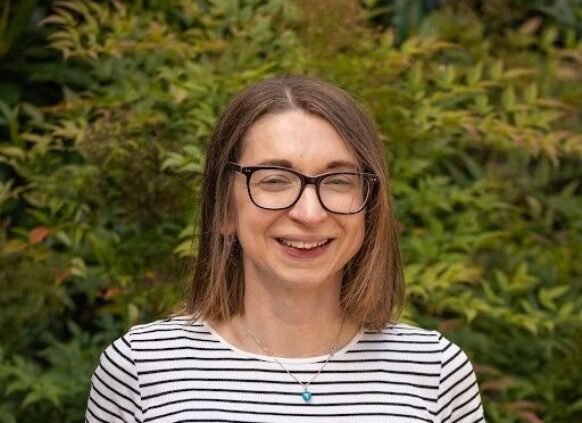
Medically reviewed by Juliet Finnie
Juliet Finnie is a UK-registered dietitian and Clinical Lead Dietitian at Oviva.
With specialist experience in weight management and diabetes gained across NHS services, Juliet is passionate about translating nutrition science into practical, personalised advice that helps people build sustainable, healthy habits.
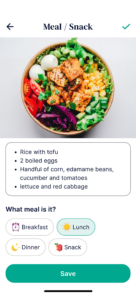
Easily log your meals with the photo diary in the Oviva app – a simple way to keep track of what you’re eating.
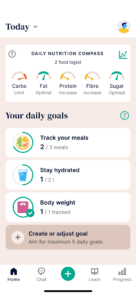
Your health coach will help you set the right personal goals that bring you closer to your feel-good weight.
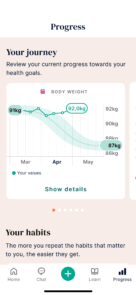
With your unique goals set, the Oviva app has all the tracking you need to work towards them with ease.
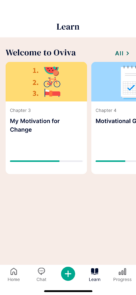
With learning content on nutrition, exercise, and motivation, you’ll become a weight-loss expert yourself.
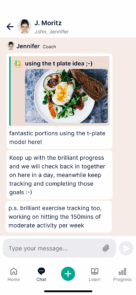
Get 1-to-1 support from a health coach and chat with our nutrition experts anytime via the Oviva app.
-
 Weight loss support
How to stop sugar cravings
-
 Weight loss support
Gout diet – what to eat and avoid to prevent flare ups
-
 Weight loss support
Why you’re always hungry