
Carbs for weight loss: what to eat and what to limit
You can eat carbohydrates and still lose weight – carbs are an important part of a healthy, balanced diet. The key is choosing the right types, being mindful of portion sizes and considering your overall calorie intake.
In this guide, we’ll explore the best carbs for weight loss, which ones to limit, how many carbohydrates you should eat each day and how to include them in a healthy, balanced diet.
If you’d like personalised support, Oviva’s medical weight loss programme can help you build healthier eating habits that work for you, without restrictive dieting.
Key takeaways
- Carbohydrates aren’t bad for weight loss. Your overall calorie intake matters more than eliminating a particular food group.
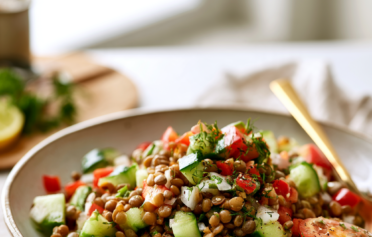
- The best carbs for weight loss are high in fibre – oats, lentils, chickpeas, wholegrains and vegetables can help you feel fuller for longer and manage your appetite.
- You don’t need to follow a low-carb diet to lose weight, and initial weight loss on a low-carb diet is often water weight.
- As a general guide, carbohydrates can make up 45–60% of your daily calorie intake.
- Oviva has learning resources available to help debunk weight loss myths.

Table of contents
Simple vs complex carbohydrates
Are carbohydrates good or bad for weight loss?
Why do some weight loss diets recommend eating fewer carbs?
How many carbohydrates should I eat each day if I want to lose weight?
10 healthy carbs for weight loss
Understanding carbohydrates
Carbohydrates are one of the main sources of energy for our bodies. They are generally divided into two types: simple and complex carbohydrates.
Simple carbohydrates
Simple carbohydrates are digested and absorbed quickly. They’re found in foods such as sweets, cakes and sugary drinks.
These foods are often high in calories from carbohydrates and fat, but less filling. They can also trigger more sugar cravings, making it easier to consume more calories than your body needs, which can contribute to weight gain.
Complex carbohydrates
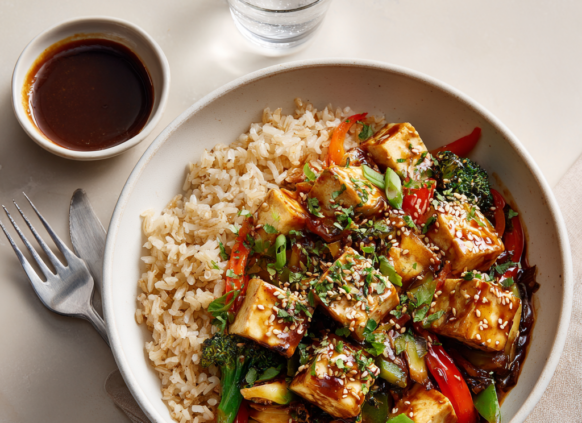
Complex carbohydrates, particularly those high in fibre, are generally a better choice for weight loss because they can help you feel fuller for longer and provide energy for physical activity. There are two main types:
- Starch provides energy for everyday activities and exercise, helping you stay active while losing weight. It’s found in potatoes, rice, pasta, bread and oats.
- Fibre helps you feel fuller for longer, making it easier to manage your appetite and avoid overeating. It’s found in wholegrains, beans, lentils and vegetables.
When choosing carbs for weight loss, look for fibre-rich options, particularly wholegrains such as wholemeal bread, brown rice and wholewheat pasta. These can help you feel fuller for longer, making it easier to manage your appetite and calorie intake without cutting out carbohydrates.
Are carbohydrates good or bad for weight loss?
Carbohydrates are not inherently bad for weight loss and you don’t need to cut out carbs to lose weight.
However, the types of carbohydrates you eat can make a difference.
Complex, fibre-rich carbohydrates, such as wholegrains, lentils and vegetables, can help you feel fuller for longer, making it easier to manage your appetite and cravings, and maintain a balanced diet. They also provide important vitamins and minerals.
And complex, starchy carbohydrates help keep your body energised throughout the day, and prevent you needing a sugary “pick-me-up”.
The best approach to carbs for weight loss is to focus on quality rather than cutting them out.
Why do some weight loss diets recommend eating fewer carbs?
Low-carb diets are popular for weight loss, but cutting carbs isn’t more effective for weight loss than following a balanced diet. Here’s why they can appear to work:
- Reduced calorie intake: Eating fewer carbs may mean consuming fewer calories overall. For example, having fewer slices of toast could mean using less butter or cheese, while eating less pasta might mean having less creamy sauce or garlic bread on the side. However, it’s the overall reduction in calories, not the absence of carbs, that leads to weight loss.
- Water weight loss: Cutting carbs reduces your body’s glycogen stores, releasing stored water. This can cause a quick drop on the scales, but that weight loss is water rather than body fat.
- Ketosis (fat burning): Very low-carb diets, such as the Atkins diet, can put your body into ketosis, where it relies more heavily on fat for energy. However, this fat can come from the food you eat as well as your body’s fat stores. So, being in ketosis doesn’t automatically mean you’re losing body fat.
The bottom line: You shouldn’t eliminate entire food groups to lose weight, unless your GP or another healthcare professional recommends otherwise.
How many carbohydrates should I eat each day if I want to lose weight?
Most importantly, the key to weight loss is consuming fewer calories than your body uses over time, rather than specifically cutting carbohydrates.
And your carbohydrate needs depend on factors such as your age, sex, activity level and overall energy requirements.
The NHS recommends reducing your daily calorie intake by no more than 500–600 calories for weight loss.
It’s also recommended, as a general rule, that carbohydrates make up 45–60% of your daily calorie intake.
Here’s an example of reducing daily calorie intake by 500 calories while keeping carbohydrates at the same proportion:
| Daily calorie intake | Carbohydrates (45–60%) | |
|---|---|---|
| Before | 2,000 calories | 225–300 g* |
| After | 1,500 calories | 169–225 g* |
In this example, you’re reducing your overall calorie intake, not specifically restricting carbohydrates. Your carbohydrate intake decreases proportionally as part of a balanced diet.
These figures are illustrative, not personalised targets. A medical weight loss programme like Oviva can help you find a balanced approach that suits your individual needs.
*Standard nutritional energy value of carbohydrates – 1 g = 4 calories
10 healthy carbs for weight loss
The best carbohydrates for weight loss are rich in fibre and nutrients, helping you feel fuller for longer while providing energy for everyday activities.
Here are 10 healthy carbohydrate-rich foods to include in your diet:
| Food | Why it’s good for weight loss |
|---|---|
| 1. Oats | Rich in soluble fibre to feel fuller for longer and manage hunger between meals. |
| 2. Lentils | Full of fibre and plant-based protein, helping you feel satisfied after eating. |
| 3. Chickpeas | Contain fibre and protein, making them a filling addition to salads, soups and curries. |
| 4. Quinoa | Provides fibre and protein, helping make meals more satisfying. |
| 5. Sweet potatoes | Provide fibre, particularly when eaten with the skin, to help you feel full. |
| 6. Wholegrain bread | Generally contains more fibre than white bread, which can help you stay satisfied between meals. |
| 7. Brown rice | Provides more fibre than white rice, helping make meals more filling. |
| 8. Wholewheat pasta | A higher-fibre alternative to regular pasta that can help support fullness. |
| 9. Kidney beans | Rich in fibre and plant-based protein, helping you feel satisfied for longer. |
| 10. Fruit | Provide fibre and water, making them a satisfying option when you want something sweet. |
Remember: No single carbohydrate causes weight loss. These foods can help you manage hunger and maintain a balanced diet, but your overall calorie intake still matters.

I’ve spent my entire life struggling with my weight, and for the first time I’ve found something that truly works. It’s been life-changing and I know it can help so many others, who feel stuck like I did.

Can carbohydrates support muscle gain?
Carbohydrates aren’t responsible for muscle growth specifically.
However, carbohydrates can support muscle gain by providing the energy your body needs for exercise, particularly strength training. They also help replenish glycogen stores in your muscles after a workout. By providing energy, carbohydrates can help spare protein for its primary role in building and repairing muscle, rather than being used as an energy source.
To build and maintain muscle, protein and regular resistance training are most important, with carbohydrates playing a key supporting role.
Which carbs should you limit when trying to lose weight?
You don’t need to cut out carbohydrates to lose weight.
However, it may help to eat fewer simple carbs that are high in added sugar, low in fibre or easy to overeat.
| Food | Alternative to try |
|---|---|
| White bread | Wholegrain or high-fibre bread |
| Sugary breakfast cereals | Porridge oats or unsweetened wholegrain cereals |
| Sugary fizzy drinks | Water, sparkling water or sugar-free drinks |
| Biscuits and cakes | Fruit, plain yoghurt or homemade oat-based snacks |
| Sweets | Fresh fruit |
| Doughnuts and pastries | Wholegrain toast with nut butter |
| Flavoured yoghurt with added sugar | Plain Greek yoghurt with fresh fruit |
| Crisps | Air-popped popcorn |
| Sugary cereal bars | Lower-sugar, higher-fibre cereal bars |
| Chocolate bars | Smaller portions of your preferred chocolate |
How to include carbs in a weight loss diet
Carbohydrates can be part of a healthy, balanced diet when you’re trying to lose weight.
The key is to focus on the types of carbohydrates you eat, how much you eat and what you pair them with.
Choose higher-fibre carbohydrates
Opt for wholegrains, beans, lentils, vegetables and fruit more often.
Fibre helps you feel fuller for longer, which may make it easier to manage your appetite and support weight loss.
Pair carbohydrates with protein
Including protein alongside carbohydrates can help you feel satisfied after meals.
For example, try porridge oats with Greek yoghurt, a baked potato with tuna or brown rice with tofu.
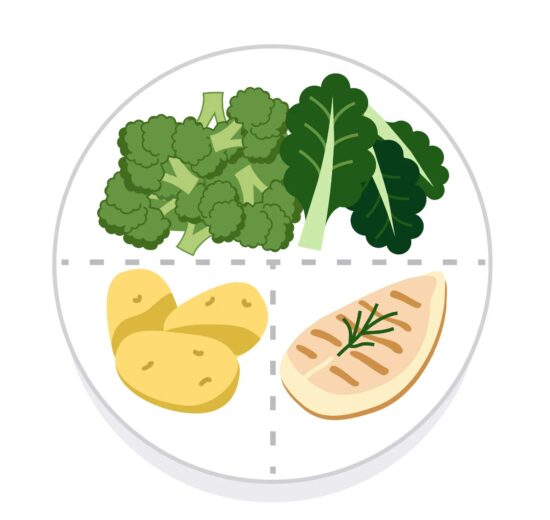
A great guide is the healthy eating plate which recommends:
- ½ plate – vegetables or salad
- ¼ plate – complex carbohydrates
- ¼ plate – lean protein
Pay attention to portion sizes
You don’t need to eliminate carbohydrates to lose weight, but portion sizes are important.
Eating more energy (calories) than your body uses over time can lead to weight gain, regardless of where those calories come from.
Consider the whole meal
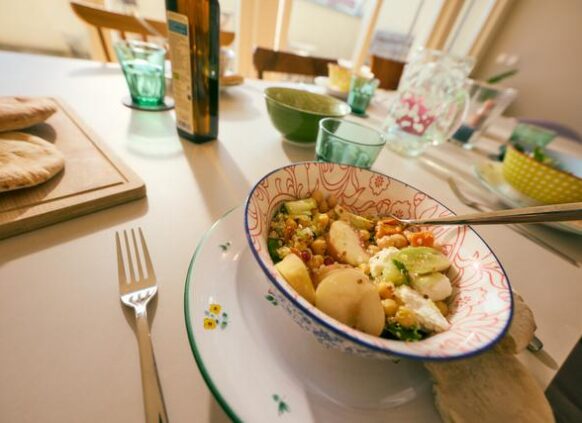
How you prepare and serve carbohydrates can make a big difference to their calorie content.
For example, a baked potato is naturally low in fat, but adding butter, cheese or creamy sauces increases its calorie content.
Try grilling, boiling or baking foods and being mindful of added fats and toppings.
Get support with healthy, sustainable weight loss
You don’t need to cut out carbohydrates or follow a restrictive diet to lose weight – it’s often too hard to stick to, and that’s why a lot of people experience yo-yo dieting.
Building healthier eating habits that work for you is what matters most, because you can stick to it long term, which can make managing your weight second nature.
At Oviva, we help you make sustainable changes to your diet and lifestyle, without giving up the foods you enjoy. With personalised support from healthcare professionals, you can learn how to build balanced meals, manage your weight and develop habits that last.
To get started, download our info pack.

Medically reviewed by Juliet Finnie
Juliet Finnie is a UK-registered dietitian and Clinical Lead Dietitian at Oviva.
With specialist experience in weight management and diabetes gained across NHS services, Juliet is passionate about translating nutrition science into practical, personalised advice that helps people build sustainable, healthy habits.
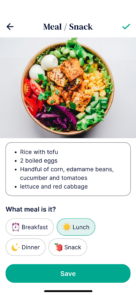
Easily log your meals with the photo diary in the Oviva app – a simple way to keep track of what you’re eating.
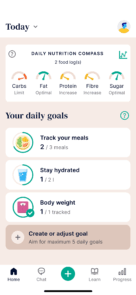
Your health coach will help you set the right personal goals that bring you closer to your feel-good weight.
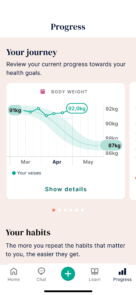
With your unique goals set, the Oviva app has all the tracking you need to work towards them with ease.
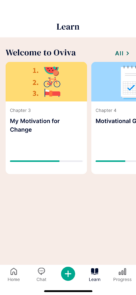
With learning content on nutrition, exercise, and motivation, you’ll become a weight-loss expert yourself.
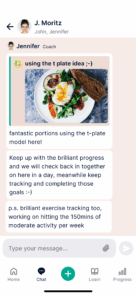
Get 1-to-1 support from a health coach and chat with our nutrition experts anytime via the Oviva app.
-
 Weight loss support
Is it harder to lose weight as you get older? How to lose weight after 60
-
 Weight loss support
Gallstones diet: what to eat and avoid
-
 Weight loss support
Why am I not losing weight in a calorie deficit?