
How to lose 10 kg: your guide to lasting weight loss
With a lot of misinformation about weight loss online, losing 10 kg and keeping it off can feel hard. It’s common to experience yo-yo dieting, especially if you’ve tried extreme diets and exercise routines. They’re hard to stick to and make keeping the habit hard to maintain.
But there is another option – find out how to effectively lose 10 kg here. This is the clinically-backed method the Oviva team uses to help our patients reach their goal weight.
Key Takeaways
- Losing 10 kg healthily can take just two and a half months.
- There is no need for strict rules or giving up your favourite foods. Consistency matters more than perfection.
- A balanced diet, eating enough protein and moving more can all support progress.
- Weight loss looks different for everyone. Factors such as your starting weight, age and health conditions can affect how quickly you see results.
- Support from healthcare professionals can help you build habits that last and stay motivated when progress feels slow.
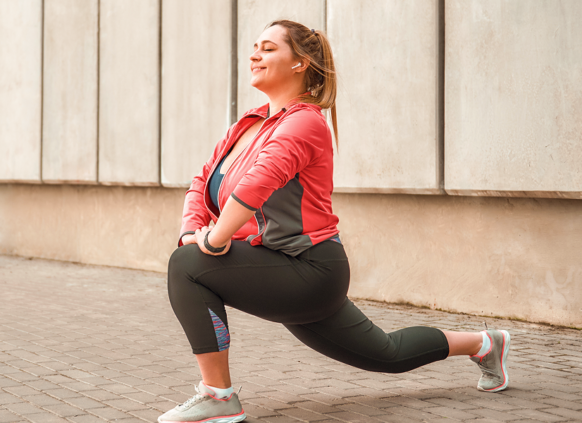
How do I lose 10 kg?
If you’re hoping to lose 10 kg, the good news is that you do not need to completely change your life overnight.
Small changes that fit into your daily routine are often easier to maintain than extreme dieting – and when you make changes that you can stick to, they can lead to lasting results.
Weight loss happens when your body uses more energy than it takes in (a calorie deficit). But you don’t need to track calories to lose 10 kg, many people find it more helpful to focus on building healthier habits instead.
You could start by:
- Filling half your plate with vegetables
- Eating lean protein with each meal
- Replacing sugary drinks for sugar-free alternatives
- Planning meals ahead when possible
- Swapping unhealthy snacks for healthier options
- Finding ways to move more throughout the day
At Oviva, we focus on helping people make realistic changes that fit their lifestyle, rather than following restrictive plans that can be difficult to maintain.
How long does it take to lose 10 kilos?
A realistic rate of weight loss is around 0.5 kg to 1 kg per week. At this pace, losing 10 kg may take approximately 10 to 20 weeks.
However, weight loss is rarely linear. Some weeks you may lose more, while other weeks your weight may stay the same – this is completely normal.
Many factors can affect progress, including:
- Age
- Sleep
- Stress levels
- Physical activity
- Medical conditions
- Medications
- Hormonal changes, including menopause
Every body is different, and how long it takes varies from person to person.
If you feel like you haven’t found anything that’s given you long-lasting weight loss, see if Oviva can help.
7 tips for losing 10 kg
There is no single “best” way to lose weight, and what works for one person may not work for another.
However, habits like eating balanced, regular meals, staying hydrated and finding enjoyable ways to move more can all support healthy weight loss.
Here are seven practical tips to help you reach your goals:
1. Eat enough protein
Protein can help you feel fuller for longer and supports muscle health.
Examples include:
- Eggs
- Fish
- Chicken
- Greek yoghurt
- Beans
- Lentils
- Tofu
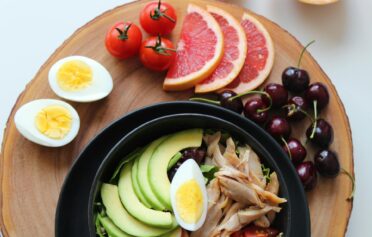
A simple starting point is to use the plate method:
- Fill half your plate with vegetables
- A quarter with protein-rich foods
- A quarter with starchy carbohydrates
This can help you get enough protein and create balanced meals without needing to count calories.
2. Build balanced meals
Foods such as vegetables, fruit, beans, wholegrains and lean proteins often provide more fibre and nutrients, helping you stay satisfied for longer.
This does not mean you need to avoid treats. The goal is to find a balance that works for you.
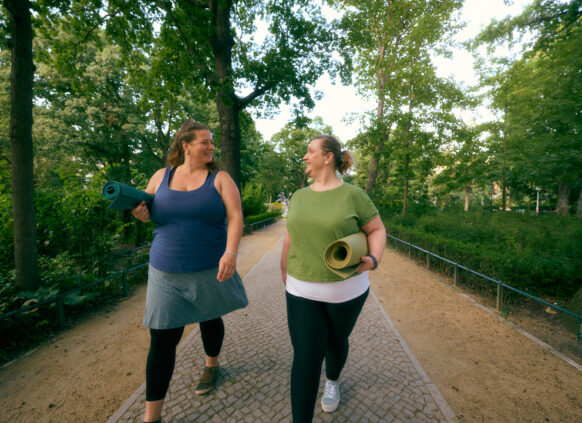
3. Find ways to move more
You do not need long workouts to benefit from physical activity.
For example:
- A 10-minute walk after dinner
- Stretching while watching television
- Getting off the bus one stop earlier
- Playing with children or grandchildren
Small changes add up over time, and you’re more likely to see results long term if you do exercise that you enjoy and can stick to.
4. Look after your stress levels
Stress can affect appetite, sleep and energy levels. It can even influence hormones linked to hunger, cravings and weight gain, making it harder to maintain healthy habits.
If you’re finding it difficult to prioritise your health while managing work, family life or other responsibilities, you’re not alone. Small actions that help you unwind and recharge can make a difference over time.
Some people find it helpful to:
- Go for a walk
- Practise breathing exercises
- Spend time outdoors
- Talk to friends or family
- Try mindfulness or yoga
Different approaches work for different people. The goal is not to avoid stress completely, but to find ways to manage it that work for you.
5. Avoid crash diets
While it can be tempting to lose weight as quickly as possible, crash diets are rarely sustainable and can be harmful to your health. Rapid weight loss may lead to muscle loss, nutrient deficiencies and low energy levels, and often results in weight regain over time.
A slower, steadier approach can help protect your health while allowing you to build habits that last long after you’ve reached your goal weight.
What I love about Oviva is that I can eat what I want.
6. Drink enough water
Sometimes thirst can feel similar to hunger.
Keeping a water bottle nearby and drinking regularly throughout the day may help you stay hydrated and feel more comfortable between meals.
Many adults benefit from aiming for around 6–8 glasses of fluid per day, although individual needs vary.
7. Enjoy your favourite foods mindfully
You do not need to give up chocolate, biscuits or takeaway meals to lose weight.
In fact, telling yourself you can never have your favourite foods again can make healthy habits harder to stick to. Instead of creating strict rules, try enjoying these foods mindfully, paying attention to portion sizes or finding alternatives you genuinely like.
Weight loss is not about being perfect. It’s about exploring a way of eating that supports your goals and doesn’t feel restrictive.
Can you lose 10 kg during menopause?
Many women notice changes in their weight during menopause – hormonal changes, reduced muscle mass and shifts in metabolism can make weight management feel more challenging than before.
If this sounds familiar, you’re not alone.
While progress may feel slower, there are habits you can bring into your daily life to make a meaningful difference, such as:
- Eating enough protein and fibre
- Strength-based activities to support muscle mass
- Prioritising sleep
- Seeking professional support, like Oviva’s NHS-funded programme
Can you lose 10 kg without exercising?
Yes. Weight loss is possible without structured exercise, but it’s not typically recommended. That’s because moving more is important to help you:
- Maintain muscle mass while losing weight
- Improve fitness and mobility
- Boost energy levels
- Support overall wellbeing
- Improve long-term weight management
- Benefit your health, such as lowering blood pressure and improving bone density
Exercise does not have to mean joining a gym or running every day. It’s more important to find movement you enjoy, and that can include:
- Walking during lunch breaks
- Gardening
- Swimming
- Dancing
- Taking the stairs instead of the lift
Your first week: a realistic plan to get started
If your goal is to lose 10 kg, you do not need to completely change your lifestyle overnight.
Instead, focus on building a routine you can repeat next week, and the week after that. The aim of your first week is not perfection. It’s proving to yourself that change is possible.
Here’s a simple framework to follow.
Plan your meals before the week starts
You do not need to follow every meal exactly. Instead, choose:
- 2 breakfasts you’d be happy eating several times
- 2 lunches you can prepare easily
- 3–4 evening meals for the week
If cooking every day feels unrealistic, focus on preparing just two extra home-cooked dinners this week. That’s a great place to start.
7-day health meal plan for weight loss
Cook once, eat twice
When you cook, make extra portions.
For example, if you’re making chilli, curry, pasta sauce or soup, prepare enough for tomorrow’s lunch or freeze a portion for later in the week.
This reduces decision-making and makes it easier to stay on track when you’re tired or short on time.
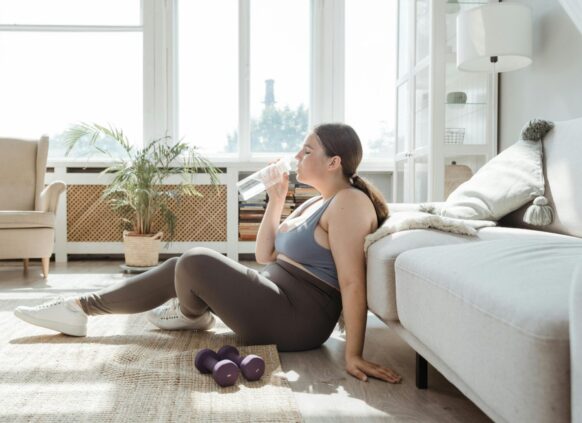
Keep a water bottle with you every day
This week, make hydration automatic.
Fill a water bottle each morning and keep it nearby throughout the day.
Many people find it easier to drink regularly when water is visible and within reach.
Create a snack plan before cravings happen
Before the week begins, buy a few satisfying snacks that contain protein or fibre.
For example:
- Greek yoghurt and berries
- Apples and peanut butter
- Dark chocolate rice cakes
- Boiled eggs
- Hummus and vegetable sticks
- A handful of nuts
That way, when hunger or cravings appear, you’ve already decided what your options are.
Be mindful of portion control when you’re snacking.
Move for 10–20 minutes each day
You do not need to start an intense exercise programme.
This week, aim for a short daily walk or another activity you enjoy.
The goal is consistency, not intensity.
Track one thing
Many people try to track everything and give up after a few days.
Instead, choose one thing to monitor this week:
- Your meals
- Your water intake
- Your daily steps
- Your weight
Keeping it simple makes it easier to stay consistent.
At the end of the week, review what worked
After seven days, ask yourself:
- Which meals were easiest to stick to?
- When did I feel most hungry?
- What helped me drink more water?
- When was I most active?
Use those answers to shape your second week.
Remember: losing 10 kg does not happen in a week – but building a routine that helps you lose 10 kg can start this week.
Achieve your long-term feel-good weight
You don’t have to figure everything out on your own. Oviva’s NHS-funded, personalised weight loss programme includes:
- A weight loss plan tailored to your goals
- Expert guidance from healthcare professionals
- An easy app for tracking, recipes, learning resources and more
- Access to weight loss injections, if appropriate
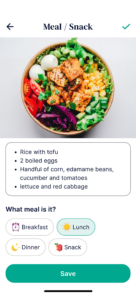
Easily log your meals with the photo diary in the Oviva app – a simple way to keep track of what you’re eating.
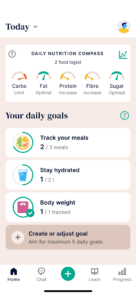
Your health coach will help you set the right personal goals that bring you closer to your feel-good weight.
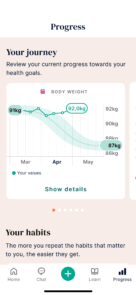
With your unique goals set, the Oviva app has all the tracking you need to work towards them with ease.
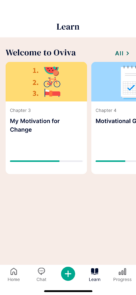
With learning content on nutrition, exercise, and motivation, you’ll become a weight-loss expert yourself.
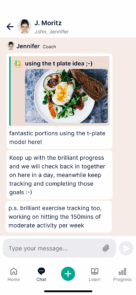
Get 1-to-1 support from a health coach and chat with our nutrition experts anytime via the Oviva app.
-
 Weight loss support
Hypothyroidism diet: what to eat and what to avoid
-
 Weight loss support
How to stop sugar cravings
-
 Weight loss support
Gout diet – what to eat and avoid to prevent flare ups