
What is the best diet for insulin resistance?
If you have insulin resistance, the foods you eat can help keep your blood glucose levels steadier. This can help you manage the effects of insulin resistance.
The most effective ways to improve insulin resistance are weight loss, if appropriate, and regular movement. Eating a balanced diet can support both, while helping you manage your blood glucose.
Discover the impact of diet and weight loss on blood glucose and insulin resistance, plus which foods to eat more often, and how small, simple changes can aid your long-term health.
If you need extra support, Oviva offers personalised, NHS-funded weight loss programmes to help you build lasting habits and improve your health.
Key takeaways
- A balanced diet can support steadier blood glucose levels and help with weight loss.
- Weight loss and regular exercise are the most effective ways to improve, and even reverse, insulin resistance.
- A Mediterranean-style diet, rich in vegetables, wholegrains, fibre, healthy fats and protein, is recommended.
- Small changes to your eating habits can support your health over time — you don’t need to aim for perfection.
- If insulin resistance is making it harder to manage your weight, expert support from Oviva can help you build habits that fit into your life.

Can diet help insulin resistance?
Healthy eating plays an important role if you have insulin resistance, but not because it directly improves the condition. Instead, a balanced diet can help you manage your blood glucose levels.
Insulin carries glucose to your body’s cells, where it’s used for energy. Insulin is essentially the “key” that “unlocks” the cell so glucose can get in.
When you have insulin resistance, the “key” doesn’t “unlock” the cell as easily. This means glucose stays in your bloodstream for longer, so your body releases more insulin in an attempt to move it into your cells.
Eating a balanced diet can help keep your blood glucose levels steadier, meaning your body doesn’t need to produce large amounts of insulin.
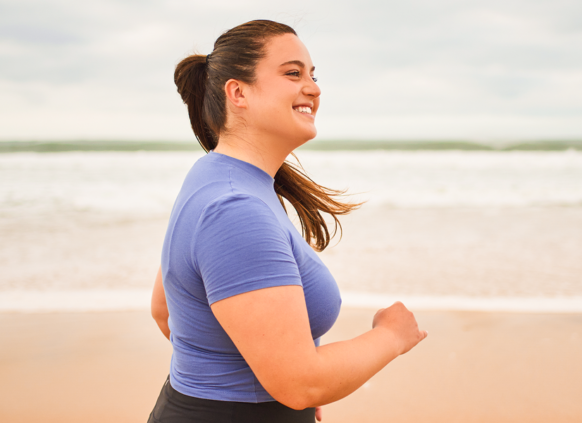
Should I lose weight if I have insulin resistance?
If you are overweight and have insulin resistance, weight loss is one of the most effective ways to improve insulin resistance. For some people, losing weight can even reverse insulin resistance. Even losing 5–10% of your body weight can have a big impact.
Rather than following strict rules or cutting out certain foods completely, focus on habits you can maintain long term, such as:
- Choosing high-fibre foods like vegetables, whole grains, beans and lentils to feel fuller for longer.
- Including protein with meals such as fish, eggs, chicken, tofu or yoghurt to feel more satisfied after meals.
- Adding healthy fats to your diet like nuts, seeds, avocado and olive oil.
- Being mindful of portion sizes to help your body get the energy it needs without overeating.
- Moving more regularly in a way that works for you, as physical activity can help your muscles use glucose more effectively.
You do not need to make every change at once. Small steps, repeated over time, can help you build habits that support your health.
The best diet for insulin resistance
Research suggests that a Mediterranean diet is one of the best diets to improve overall health and support healthy weight loss.
Rather than cutting out food groups, it focuses on eating plenty of:
- Vegetables
- Fruit
- Legumes
- Healthy fats
- Lean sources of protein
As well as fibre-rich carbohydrates in moderation
These foods are digested more slowly, helping to reduce large spikes in blood glucose after meals and lowering the amount of insulin your body needs to produce.
Which foods are recommended?
The best foods for insulin resistance are those that help keep your blood glucose levels steady.
In general, this means choosing foods that are rich in fibre, protein and healthy fats, as they are digested more slowly and help you feel fuller for longer.
Eat plenty of vegetables and fruit
Aim to fill half your plate with vegetables at meal times.
Find enjoyable ways to snack on fruit and vegetables too – for example, apple slices with peanut butter or carrot sticks with hummus.
Choose wholegrain carbohydrates
You don’t need to avoid carbohydrates if you have insulin resistance. Instead, choose wholegrain options, such as:
- Wholemeal bread
- Wholemeal pasta
- Brown rice
- Oats
These contain more fibre than refined carbohydrates and are broken down more slowly, helping to reduce blood glucose spikes after meals.
Include protein with every meal
Protein helps you stay fuller for longer and can slow the absorption of carbohydrates when eaten as part of a balanced meal. Good options include:
- Chicken and turkey
- Fish
- Eggs
- Greek or natural yoghurt
- Cottage cheese or quark
- Beans, lentils and chickpeas
- Tofu
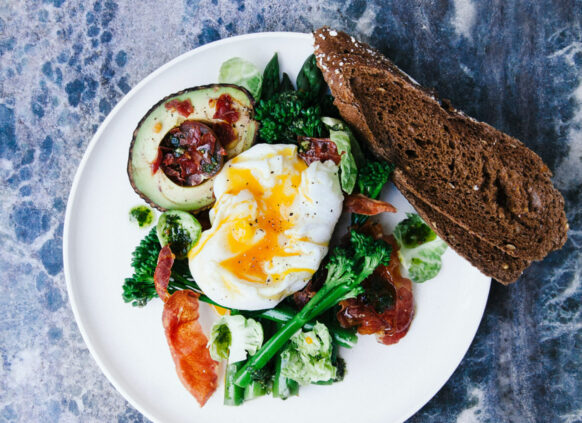
Choose healthy fats
Rather than avoiding fat altogether, focus on healthier unsaturated fats, including:
- Extra virgin olive oil
- Nuts
- Seeds
- Avocado
- Oily fish, such as salmon, mackerel or herring
Is glycaemic index (GI) important?
The glycaemic index (GI) measures how quickly carbohydrate-containing foods raise your blood glucose levels.
In general:
- Low-GI foods are digested more slowly, causing a steadier rise in blood glucose.
- High-GI foods are broken down more quickly, leading to a faster rise in blood glucose.
Lower-GI foods can help support healthy blood glucose levels, including:
- Vegetables
- Beans, lentils and chickpeas
- Oats
- Wholegrains
- Many fruits
But GI isn’t the whole story. Your blood glucose response also depends on things like:
- How much you eat
- What you eat alongside it
For example, pairing carbohydrates with protein, healthy fats or fibre can slow the release of glucose into your bloodstream.
The bottom line? You don’t need to memorise GI tables or avoid high-GI foods completely. Instead, focus on building balanced meals with plenty of whole, minimally processed foods. This is a simpler, more sustainable way to support healthy blood glucose levels and improve insulin resistance.
What foods should you limit?
No foods are completely off limits if you have insulin resistance.
However, having some foods less often can help support steadier blood glucose levels and improve insulin sensitivity over time.
Foods high in added sugar
These are digested quickly and can cause larger spikes in blood glucose. Try to have them less often, including:
- Sweets and confectionery
- Sugary drinks, energy drinks and sweetened coffee drinks
- Cakes, biscuits and pastries
- Jams and sweet spreads
Refined carbohydrates
Refined carbohydrates contain less fibre than wholegrain alternatives, meaning they’re broken down more quickly. Where possible, swap them for wholegrain options.
Foods to limit include:
- White bread, rolls and bagels
- White rice
- White pasta
- Sugary breakfast cereals
Ultra-processed foods
Many ultra-processed foods are high in refined carbohydrates, saturated fat, salt or added sugar.
These include:
- Crisps and other savoury snacks
- Fast food such as burgers, pizza and chips
- Processed meats, including sausages, bacon, salami and pâté
Foods high in saturated fat
Rather than cutting out fat altogether, try to replace saturated fats with healthier unsaturated fats, such as olive oil, nuts and seeds.
Foods to have less often include:
- Fatty cuts of meat
- Butter
- Cream
- Pastries and other foods made with butter or palm oil
You don’t need to eat perfectly to improve insulin resistance. The biggest benefits come from making small, realistic swaps when you can, rather than trying to avoid certain foods completely.

Don’t go it alone
If insulin resistance is making it harder to manage your weight or improve your health, you do not have to face it alone.
At Oviva, we understand that making lasting changes can feel challenging. Our NHS-funded weight loss programme gives you a personalised plan designed to fit your life and goals.
You’ll even have a team of healthcare professionals supporting you so you can build healthy weight loss habits long term and feel more in control.
With Oviva, you can access:
- Personalised support from healthcare experts – including dietitians, doctors and health coaches who understand your individual needs.
- A plan that fits around your life – helping you make realistic changes to your eating, activity and daily habits.
- Support through the Oviva app – where you can track your progress, access helpful resources and stay connected with your care team.
- Evidence-based care – combining nutrition support, lifestyle changes and medical advice where appropriate.
- Support that people value – 97% of Oviva users would recommend us to others.
If you meet the eligibility criteria, our NHS-funded support may be available to you. Take your first step towards lasting change with Oviva today.

Medically reviewed by Lucy Diamond
Lucy Diamond is a UK-registered dietitian and Vice President of Patient Outcomes at Oviva.
With almost a decade of NHS experience and a role on the Board of Directors at the British Dietetic Association (BDA), Lucy ensures Oviva’s programmes are evidence-based, patient-centred and reflect the latest clinical research.
-
 Weight loss support
Hypothyroidism diet: what to eat and what to avoid
-
 Weight loss support
How to stop sugar cravings
-
 Weight loss support
Gout diet – what to eat and avoid to prevent flare ups