
Hashimoto’s diet: what to eat and avoid + how nutrition can support your thyroid
While there is no diet that can treat Hashimoto’s disease (or Hashimoto’s thyroiditis) alone, eating a balanced, nutrient-rich diet – alongside your prescribed treatment – can play a key role in helping you manage your thyroid health and reduce inflammation.
Find out what the current evidence says about the best diet for Hashimoto’s – including which foods to eat more of, foods you may want to limit, and the nutrients that play an important role in healthy thyroid function.
Key takeaways
- There isn’t a single Hashimoto’s diet, but a balanced Mediterranean-style diet can help support your thyroid health alongside medication.
- You don’t need to cut out foods like gluten or dairy unless you’ve been advised to by a healthcare professional or have a diagnosed medical condition.
- Focus on small, realistic changes rather than restrictive diets to help support your long-term health.
- If you’re finding it difficult to lose weight with Hashimoto’s, support from Oviva can help you build healthy habits and achieve lasting results.

What is Hashimoto’s disease?
Hashimoto’s disease is an autoimmune condition that causes the immune system to mistakenly attack the thyroid gland.
Over time, this can damage the thyroid and reduce its ability to produce the hormones that regulate your metabolism, energy levels and many other functions in the body.
As thyroid hormone levels fall, you may develop symptoms such as:
- Tiredness
- Difficulty concentrating
- Weight gain
- Feeling cold more often
- Dry skin
- Dry and thinning hair
- Muscle cramps
- Low mood
However, symptoms vary from person to person, and some people have few or no symptoms in the early stages.
Treatment usually involves taking thyroid hormone replacement medication to restore normal hormone levels.
While what you eat cannot cure Hashimoto’s disease, eating a balanced, nutrient-rich diet – alongside your prescribed treatment – may support healthy thyroid function and impact how the condition develops.
If you think you may have Hashimoto’s thyroiditis or your symptoms are changing, speak to your GP.
Is there a specific Hashimoto’s diet?
There is no diet that can treat Hashimoto’s disease without medication (typically levothyroxine). However, the foods you eat still play a vital role in helping you manage the disease and staying on top of flare-ups.
Current evidence suggests that a balanced, Mediterranean diet is one of the best approaches for people with Hashimoto’s.
Rather than cutting out lots of foods, the Mediterranean diet focuses on eating plenty of:
- Fruits and vegetables
- Wholegrains
- Beans and pulses
- Nuts and seeds
- Healthy fats, such as extra virgin olive oil
- Lean sources of protein, including fish
This makes sure you get key nutrients that support normal thyroid function, such as selenium, zinc, iron and iodine, while also helping to reduce inflammation and support heart health. It can also make it easier to achieve or maintain a healthy weight, which may improve your overall wellbeing.
Some people with Hashimoto’s choose to avoid foods such as gluten or dairy because they feel better without them. There is not enough evidence to recommend avoiding these foods for everyone. Unless you have a diagnosed allergy, intolerance or coeliac disease, it is usually best to avoid cutting out entire food groups without advice from a healthcare professional or registered dietitian.

The support from the app and my coaching team was amazing! It was like a switch went off – I realised I wasn’t on a diet anymore. This is just how I eat and live now.
Best foods for a Hashimoto’s diet
Aim for a balanced, Mediterranean-style diet that includes a variety of whole foods. This can help you get the nutrients your thyroid needs while supporting your overall health.
Small, sustainable changes are more likely to support your health than restrictive eating plans.
Fruit and vegetables
It’s best to eat a wide variety of colourful vegetables and fruit each day. They provide fibre, vitamins and antioxidants that support your immune system and overall wellbeing.
Good choices include cooked leafy greens and broccoli, peppers, courgettes, carrots, beetroot, onions, berries, apples, pears and citrus fruits.
As a rule of thumb, try to make sure that, at meal times, half your plate is made up of fruits or vegetables.
Wholegrains and fibre-rich carbohydrates
Wholegrains provide fibre, which supports digestive health and may help you feel fuller for longer.
Choose foods such as wholemeal bread, oats, brown rice, quinoa, millet and wholegrain pasta where possible.
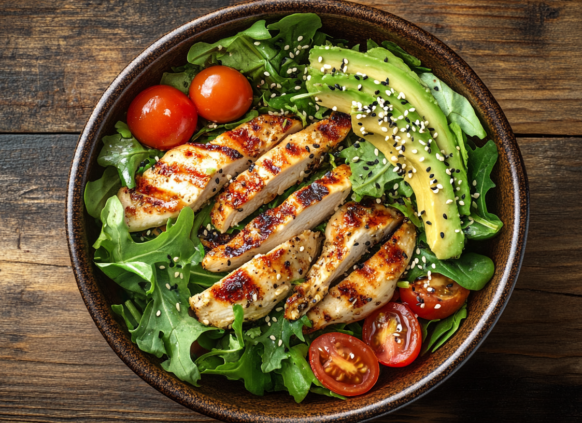
Lean protein
Protein is an important part of a balanced diet – it helps you maintain muscle mass and keeps you satisfied after meals.
The amino acids in protein can also support a healthy thyroid.
Include a source of lean protein with most meals, such as chicken, turkey, eggs, beans, lentils, tofu or lean cuts of beef.
Oily fish
Oily fish such as salmon, sardines and mackerel are rich in omega-3 fats, which have anti-inflammatory properties.
Because inflammation plays a key role in Hashimoto’s disease, including omega-3-rich foods as part of a balanced diet may help support your overall health and wellbeing.
Aim to eat one to two portions of oily fish per week.
Beans, legumes, nuts and seeds
Beans, lentils, chickpeas, nuts and seeds are rich in fibre, plant protein and minerals that support thyroid function.
Brazil nuts are particularly high in selenium, a key mineral for thyroid function, while pumpkin and sunflower seeds provide zinc and iron which are also important for a healthy thyroid.
Because Brazil nuts contain very high amounts of selenium, one or two a day is usually enough.
Healthy fats
Choose unsaturated fats such as olive oil, rapeseed oil, avocados, nuts and seeds instead of foods high in saturated fat.
Unsaturated fats, eaten in moderation, are an important part of a balanced diet.
Key nutrients for thyroid health
Some nutrients play an important role in normal thyroid function, like selenium, zinc, iron, iodine and vitamin D.
Most people can meet their needs through a varied, balanced diet.
It is important not to take iodine or selenium supplements unless advised by your doctor, as too much can sometimes worsen thyroid problems. If you do take it, tell your GP so they can monitor you effectively.
Foods to limit
You do not need to avoid specific foods unless your healthcare professional has advised you to.
But there are foods you can eat less of to support your thyroid, prevent a Hashimoto’s flare-up and benefit your overall health.
It may help to reduce your intake of:
- Ultra-processed foods, such as ready meals and processed meats
- Foods and drinks high in added sugar, including sweets, cakes and sugary soft drinks
- Alcohol, as drinking above the recommended limits can affect your overall health
- Foods that are very high in iodine, such as kelp or seaweed supplements, unless recommended by a healthcare professional
Rather than focusing on cutting foods out, aim to build most of your meals around nutrient-rich, minimally processed foods that you enjoy and can eat consistently.
Should you avoid gluten?
Not necessarily.
A gluten-free diet is essential if you have coeliac disease, but there isn’t enough evidence to recommend avoiding gluten for everyone with Hashimoto’s thyroiditis.
Coeliac disease is more common in people with autoimmune thyroid conditions, so your GP may recommend testing if you have symptoms that suggest coeliac disease.
Some people with Hashimoto’s find they feel better when they reduce or avoid gluten, but research has shown mixed results.
Unless you’ve been diagnosed with coeliac disease or advised otherwise by a healthcare professional, it’s usually best to focus on a balanced, varied diet rather than cutting out gluten unnecessarily.
Should you avoid dairy?
There is no strong evidence to suggest that everyone with Hashimoto’s should avoid dairy.
Dairy foods provide important nutrients, including calcium, protein and iodine, so cutting them out unnecessarily may make it harder to meet your nutritional needs.
That said, some people find their digestive symptoms or general wellbeing improve when they reduce dairy. If you think dairy may be affecting you, speak to a healthcare professional or registered dietitian before making changes.
Unless you have a diagnosed allergy or intolerance, a balanced diet that includes dairy can still be part of a healthy approach to managing Hashimoto’s.
What about soy?
Soy foods, like tofu and soya milk, can be part of a healthy, balanced diet if you have Hashimoto’s.
However, some data has shown that soy may reduce the absorption of levothyroxine, the medication commonly used to treat an underactive thyroid.
If you take levothyroxine and want to eat soy, speak to your GP, pharmacist or dietitian for personalised advice.
What are goitrogens and can you eat them?
Goitrogens are naturally occurring compounds found in foods such as broccoli, kale, cabbage, Brussels sprouts, cauliflower and soy.
They can affect the thyroid, which is why some people with Hashimoto’s worry they should avoid them.
For most people, there’s no need to cut these foods out.
They’re packed with fibre, vitamins and antioxidants that support your overall health, and eating them in normal amounts is unlikely to affect thyroid function.
And when it comes to cruciferous vegetables that contain goitrogens – like broccoli and cabbage – cooking them reduces the amount of goitrogens they contain.
A simple, one-day Hashimoto’s meal plan
There isn’t a single meal plan that’s right for everyone with Hashimoto’s.
It’s about building balanced meals that include plenty of vegetables, wholegrains, lean protein and healthy fats. Here’s an example of what that could look like:
| Meal | Example |
| Breakfast | Overnight oats made with milk or a fortified plant-based alternative, topped with berries, chopped walnuts and a sprinkle of pumpkin seeds. |
| Lunch | Wholemeal pitta stuffed with hummus, grilled chicken or falafel, mixed salad leaves and grated carrot, with a piece of fruit on the side. |
| Snack | Low fat Greek yoghurt with fresh fruit, or an apple with a small handful of mixed nuts (including one or two Brazil nuts). |
| Dinner | Baked salmon with roasted broccoli, carrots and sweet potato, served with a side salad. |
Remember, you don’t need to eat perfectly to support your health.
Making small, realistic changes to your diet over time is more effective than following a restrictive diet that feels hard to maintain.

Struggling to lose weight with Hashimoto’s?
If you’re living with Hashimoto’s and finding it difficult to manage your weight, you don’t have to do it alone.
Oviva’s NHS-funded weight loss programme gives you tailored support from healthcare professionals who understand that your medical history, lifestyle and goals are unique.
With Oviva, you’ll get:
- A personalised weight loss plan designed to fit your needs and goals
- 1:1 support from a dedicated healthcare professional
- Access to the Oviva app, with meal tracking, recipes, educational resources and progress tracking
- Practical guidance to help you build healthier habits, without crash diets or cutting out entire food groups
- Access to prescription weight loss medication, if appropriate
Take your first step towards lasting weight loss with Oviva.
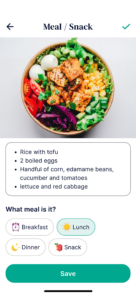
Easily log your meals with the photo diary in the Oviva app – a simple way to keep track of what you’re eating.
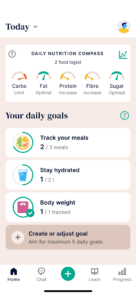
Your health coach will help you set the right personal goals that bring you closer to your feel-good weight.
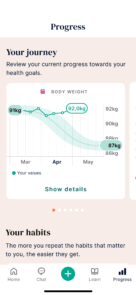
With your unique goals set, the Oviva app has all the tracking you need to work towards them with ease.
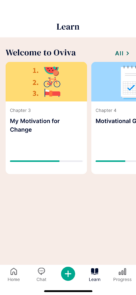
With learning content on nutrition, exercise, and motivation, you’ll become a weight-loss expert yourself.

Get 1-to-1 support from a health coach and chat with our nutrition experts anytime via the Oviva app.
-
 Weight loss support
Why you’re always hungry
-
 Weight loss support
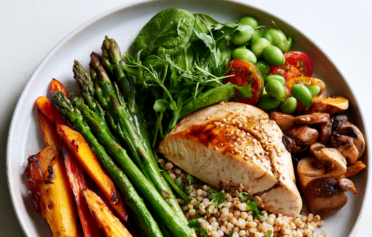
Healthy eating plate – an easy way to a balanced diet
-
 Type 2 diabetes
What is the best diet for insulin resistance?