
How to lose weight with an underactive thyroid (+ what causes weight gain)
If you have an underactive thyroid, also known as hypothyroidism, your thyroid gland does not produce enough thyroid hormones. This can slow your metabolism, making it easier to gain weight and harder to lose it.
If you’ve been trying to lose weight with hypothyroidism, it can feel frustrating when your efforts do not seem to match the results. You’re not alone, and with the right support, progress is possible.
Understand how hypothyroidism can affect your weight and the healthy habits that can lead to lasting weight loss.
Key takeaways
- An underactive thyroid can make it harder to burn calories, causing weight gain.
- Medication to treat hypothyroidism, like levothyroxine, can reverse this.
- Some people still require extra support to lose weight with hypothyroidism.
- Oviva can provide tailored weight management strategies based on your needs.

Why does an underactive thyroid cause weight gain?
An underactive thyroid may cause weight gain because your thyroid gland produces fewer hormones than it should.
These thyroid hormones help regulate the number of calories your body burns at rest, which is known as your basal metabolic rate (BMR).
When your thyroid hormone levels are reduced, you burn fewer calories, which can cause weight gain and make weight loss more difficult.
Other symptoms of hypothyroidism can also make weight management more challenging. For example:
- Feeling tired or low in mood may make it harder to stay active
- Changes in kidney function can lead to increased water retention
- Low energy or changes in mood may make it more difficult to manage cravings or eating habits
Some people also notice changes in their appetite. Eating large amounts of sugary or starchy foods can cause your blood glucose levels to rise quickly before falling again. These changes may trigger hunger or cravings, making it harder to stick to the habits you’re trying to build.
Taking the right dose of thyroid medication can help restore your thyroid hormone levels and support a healthy metabolism. Even so, many people still find losing weight challenging. If this sounds familiar, you’re not alone. The right support and sustainable lifestyle changes can help you make progress.
How much weight can you gain with hypothyroidism?
There is no set amount of weight that people gain with hypothyroidism. It varies from person to person and depends on factors such as how underactive your thyroid is, how long it has gone untreated, your eating habits, activity levels and any other health conditions you may have.
How to lose weight with hypothyroidism
Losing weight with hypothyroidism can take more time, but it is possible.
Here are some practical ways to support weight loss if you’re living with an underactive thyroid.
1. Take your hypothyroidism medication, as prescribed
Taking your thyroid medication as prescribed is one of the most important steps you can take. It replaces the thyroid hormones your body is missing, helping to support your metabolism and energy levels.
Follow the instructions from your doctor and the patient information leaflet carefully. Thyroid medication usually needs to be taken on an empty stomach and separately from food, so taking it at the same time each morning may help you remember.
Regular check-ups with your GP are also important. They can monitor your thyroid hormone levels and adjust your medication if needed to make sure it’s working as effectively as possible.
Some people with hypothyroidism also have insulin resistance. If you have concerns about your blood glucose levels, speak to your GP about whether further testing would be appropriate.
2. Eat nutritious meals with plenty of protein and fibre
Eating balanced meals that include protein and fibre can help you stay fuller for longer and support steady energy levels throughout the day.
For main meals, aim for a quarter of your plate to be filled with a source of lean protein, and try to eat foods high in fibre. These foods keep you full for longer.
Some high-quality lean protein foods include:
- Skinless chicken breast
- White fish (cod, haddock, pollock, etc.)
- Tuna
- Salmon
- Eggs
- Tofu
- Lentils
- Chickpeas
- Low-fat Greek yoghurt
High-quality sources of fibre you can incorporate into your diet include:
- Kale
- Spinach
- Carrots
- Broccoli
- Berries
- Kiwi
- Beans, lentils and chickpeas
- Brown rice
- Oats
Examples of meals or snacks you could eat that are high in protein and fibre include:
- Grilled salmon with broccoli and sweet potato
- Skinless chicken breast with roasted vegetables
- Low-fat Greek yoghurt with mixed berries

3. Choose wholegrain carbohydrates more often
Refined carbohydrates, such as white bread, white rice and sugary snacks, are digested quickly. This can lead to bigger changes in your blood glucose levels, which may leave you feeling hungry again sooner.
Choosing wholegrain carbohydrates more often can help provide steadier energy and keep you feeling fuller for longer.
Examples include:
- Wholemeal and wholewheat bread
- Brown rice
- Wholewheat pasta
- Oatcakes
You don’t have to make a complete diet overhaul. Instead, find ways to make simple substitutions that are easy to stick to day to day.
For example, try using wholemeal or wholewheat bread for toast in the morning, and if you find yourself craving a snack in the evening, consider brown rice cakes with hummus.

This programme wasn’t just about losing weight; it changed my life and gave me the tools to maintain my health for the future.
4. Prioritise getting enough rest
Fatigue is one of the most common symptoms of hypothyroidism.
And when life feels constantly busy, getting enough rest can feel like another thing on your to do list. Instead, trying one or two small, daily restful habits can feel more attainable and help you reach the same results.
You could try:
- Taking some time away from your phone and other screens to prevent overstimulation
- Sitting outdoors, such as in your garden or in a local park, to reduce mental fatigue
- Practising good sleep hygiene, such as sleeping in a cool, dark and quiet room
- Going to bed at the same time every night, whenever possible
- Taking opportunities to nap or simply relax and unwind
- Having regular breaks throughout the day to stretch, have a drink and take deep breaths
- Giving yourself permission to do a little less on low-energy days
5. Find ways to move that work for you
Moving more can support weight loss, but when you’re living with hypothyroidism, low energy can make exercise feel difficult.
Start with activities that feel manageable and enjoyable. A short walk, gentle gardening or stretching at home all count.
Small amounts of movement add up over time, so focus on building habits you can stick with rather than trying to do everything at once.
6. Find small ways to manage stress
Stress can affect your energy levels and may influence your eating habits, making weight management feel even more challenging.
If you’re feeling stressed, being told to “stress less” can feel like one more thing to be stressed about. But rather than trying to eliminate stress, look for small ways to support your wellbeing:
- Get fresh air, especially during the day
- Eat your food outside in nature, rather than indoors
- Spend a few minutes each day focusing on slow, deep breathing
- Listen to calming music you enjoy
- Set time aside to enjoy hobbies or spend time with pets
- Reach out to friends and family and socialising, when possible
- Take a break from checking work emails outside of work hours
Will weight loss injections help?
If you have hypothyroidism and you’re living with obesity, weight loss injections may be an option once your thyroid hormone levels are well controlled. If your thyroid levels are not yet stable, treating your hypothyroidism is the first priority.
Weight loss injections can support weight loss by helping you feel fuller for longer and reducing your appetite. They work best alongside sustainable changes to your eating habits and lifestyle, with support from healthcare professionals.
There are no known interactions between weight loss medications, such as Wegovy, and thyroid replacement medication, such as levothyroxine. However, it’s important to take both under medical supervision and attend regular check-ups to make sure your treatment is working well for you.

Weight loss support that’s tailored to you
Hypothyroidism weight gain can feel upsetting, and trying to lose weight can be frustrating, but you don’t need to take this journey alone. Oviva offers NHS-funded weight management support, delivered by healthcare experts, specific to your medical background and needs.
You’ll receive 1:1 support from a health coach and access to a wider healthcare team, who will work with you to tackle weight loss challenges relevant to an underactive thyroid.
When appropriate, you could receive prescription weight loss medication delivered to your door.
Along the way, you’ll receive:
- Access to the Oviva app, so you can track progress and access free learning materials
- A personalised weight loss plan, with no crash diets, calorie counting or banned foods
- Expert support as you make sustainable lifestyle changes to aid weight loss
Want to find out if you’re eligible? Download our free info pack to explore the eligibility criteria and speak to your GP to see if you can be referred to Oviva.
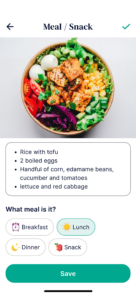
Easily log your meals with the photo diary in the Oviva app – a simple way to keep track of what you’re eating.
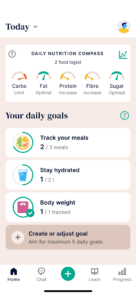
Your health coach will help you set the right personal goals that bring you closer to your feel-good weight.
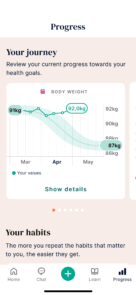
With your unique goals set, the Oviva app has all the tracking you need to work towards them with ease.
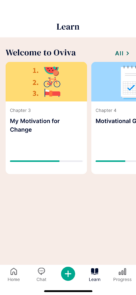
With learning content on nutrition, exercise, and motivation, you’ll become a weight-loss expert yourself.
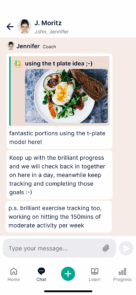
Get 1-to-1 support from a health coach and chat with our nutrition experts anytime via the Oviva app.
-
 Weight loss support
Why am I not losing weight in a calorie deficit?
-
 Weight loss support
Hypothyroidism diet: what to eat and what to avoid
-
 Weight loss support
How to stop sugar cravings