
Menopause weight loss: what actually works (and why it feels so hard right now)
Many women notice that losing weight during menopause feels harder than before — even when their habits have not changed. If you’re feeling frustrated, you’re not alone. There are biological reasons behind menopause weight gain – it is not that you’re doing anything wrong.
The good news is that the right changes make a real difference, and you don’t have to overhaul your lifestyle to get there. Here, we explain why weight changes happen during menopause and what can help you lose weight.
Key Takeaways
- Menopause weight gain is driven by hormonal and metabolic changes, not just lifestyle.
- Strength training, protein and fibre are key for weight management during menopause.
- Sleep, stress, and alcohol all play a part too.
- Realistic changes you can stick to beat extreme diets every time.

Why weight gain happens in menopause (it’s not just calories)
Menopause is caused by a decline in sex hormones, specifically oestrogen, progesterone and testosterone. When this happens, it can lead to weight gain, even if you feel like you’re doing everything right.
Here are the main reasons why:
1. Your metabolism slows
The drop in oestrogen and testosterone causes your metabolism to slow, so you burn fewer calories.
Why?
These hormones are responsible for healthy muscle growth and maintenance. When they drop, it can lead to a loss in muscle mass.
The more muscle mass you have, the higher your metabolism, and so the more calories you burn throughout the day.
When you lose muscle mass, your metabolism slows and managing your weight may feel harder.
2. Your body becomes more insulin-resistant
Lower levels of oestrogen can cause your body to become more resistant to insulin.
Insulin plays a role in weight management:
Insulin carries glucose to your cells so that your cells can use them for energy. But if your body is insulin resistant, your cells don’t receive the glucose as effectively.
What happens then:
- Your body creates more insulin to get the glucose into your cells
- High insulin levels tell your body to store energy as fat
- Increased body fat weakens insulin’s effectiveness even more
- Blood glucose levels rise as less is absorbed by your cells – and these fluctuations in blood glucose can increase cravings
It’s natural to feel like your body is working against you right now, but there are things you can do to work with your body and lose weight.
3. Your hunger levels and cravings change
When oestrogen drops, it increases ghrelin, the “hunger hormone”. Elevated levels can increase appetite and cravings.
Weight loss medication like Wegovy reduces ghrelin, which can make it effective for menopausal women. You can take Wegovy alongside HRT.
4. Sleep and stress disrupt your hormones
The decline in oestrogen and progesterone can disrupt your sleep.
You may then find:
- Hunger intensifies as your body wants more energy
- Your cortisol levels rise, which makes it harder to sleep and increases your appetite
You can help lower your cortisol levels by eating healthily, moving your body, cutting back on caffeine, and improving sleep hygeine.
How does sleep impact weight loss?
5. Hormones change how your body stores fat
Hormone changes in menopause – particularly the decrease in oestrogen – change how your body stores fat.
Menopausal and postmenopausal women may notice more weight stored around their middle than before.
What actually works (according to clinical evidence)
With so much information out there, it can be difficult to know how to lose weight in menopause safely and effectively.
The best strategies directly target changes caused by menopause:
1. Strength training (to support your metabolism)
Regular strength training helps:
- Build and maintain muscle
- Boost your metabolism
Strength training includes body-weight exercises, lifting weights or using resistance bands.
You don’t need to go to the gym if you don’t want to. Try manageable ways to increase strength training in your daily routine, like:
- A few knee pushups while you watch TV
- Bodyweight squats while you brush your teeth
- Plank before you get into bed – start at five seconds and slowly work your way up
It’s not about forcing yourself to do a strict, intense workout – it’s about building exercise into your daily routine in a way that works for you.
At Oviva, that’s key to how we help our patients lose weight. It’s never a one-size-fits-all approach – you have 1:1 sessions with your own health coach and a personalised weight loss plan that’s built around your life, routine and goals.

You’re motivated instead of being brought down, and you celebrate every gram lost.
2. Protein at every meal (to protect muscle + reduce hunger)
Focus on nutritious, balanced meals, not extreme diets that can cause yo-yo dieting.
Make sure you eat enough protein. This keeps you feeling full and supports muscle growth and maintenance, as well as your metabolism.
Good lean protein sources include:
| Meat and fish | Vegetarian options | Vegan options |
| Chicken or turkey breast | Eggs | Chickpeas or lentils |
| Cod or haddock | Cottage cheese | Unsalted nuts |
| Tuna | Low-fat Greek yoghurt | Tofu and soy products |
| Prawns | Porridge with low-fat milk | Beans |
Give this protein-rich fish recipe a go
3. Eat more fibre (for fullness, gut health, and blood glucose balance)
Fibre is another essential nutrient you should pay attention to.
The recommended daily amount is 30 g – but most women get just 16-20 g.
Eating enough fibre:
- Keeps you full for longer
- Reduces cravings and snacking
- Keepd your energy steady
- Supports your gut, which is linked to a healthy metabolism
A simple way to eat more fibre is to build meals around vegetables, whole grains, legumes, nuts, and seeds.
Aim to create meals where fibre-rich foods make up half of your plate.
Try this fibre-packed lentil daal recipe
4. Choose low-GI carbohydrates (to limit blood glucose increases)
Low-GI carbohydrates are digested more slowly than high-GI carbohydrates, which can prevent blood glucose spikes and crashes.
Keeping blood glucose levels stable prevents energy dips and sugar cravings. It also supports better insulin response over time.
Examples of low-GI foods include:
- Whole grains (brown rice, oats, barley, quinoa)
- Legumes
- Sweet potatoes
- Basmati rice

5. Reduce alcohol and its hidden calories (to limit fat storage)
Drinking alcohol regularly can:
- Affect your sleep
- Increase your calorie intake
- Add calories with no nutritional benefit
- Disrupt your body’s ability to burn fat
- Increase your appetite
For many women, alcohol is a “silent blocker” to menopause weight loss progress.
6. Practice sleep hygiene (to regulate hunger and stress)
Good-quality sleep maintains your energy levels, lowers stress and keeps appetite and cravings under control – this makes it easier to make healthy choices in your day to day, too.
You can help improve the quality of sleep you’re getting by:
- Going to bed and waking up at the same time daily (as best you can)
- Sleeping in a dark, cool, well-ventilated room, away from noise – try blackout curtains, ear plugs, and opening a window
- Limiting caffeine and alcohol intake – avoiding both within four hours of bedtime
- Avoiding your phone and other screens for an hour before bed
- Turning on your phone’s nightlight to minimise blue light exposure
- Getting fresh air and daily movement where possible
It’s not about getting the perfect sleep routine – start by simply picking one or two from this list that feel the easiest to try.
7. Consider weight loss injections for extra support
Weight loss injections like Wegovy can help with menopausal weight gain and may be worth considering if lifestyle changes alone haven’t worked for you.
These clinically-proven medications can:
- Reduce hunger and cravings
- Increase feelings of fullness between meals
- Reduce calorie intake
- Control blood glucose
Are you eligible for NHS-funded weight loss medication?
8. Avoid extreme dieting – opt for a moderate calorie deficit
Extreme dieting can cause muscle mass loss and slow your metabolism – plus, these diets are usually very difficult to stick to long term, which is why people often regain weight on these diets.
Instead, aim for a moderate daily calorie deficit. A daily deficit of around 500 kcal is enough to start seeing steady weight loss.
Focus on realistic changes to your diet, including balanced meals that provide enough protein, fibre, vitamins, and minerals – and avoid cutting out food groups.

9. Daily movement matters
Daily movement makes a big difference, and walking is a great place to start.
It can be helpful to set specific goals like walking to work or taking the stairs more often than the lift.
Making it social helps too – invite friends out for a walk around your local park a few times a week. This is a great way to build it into your routine.
Start with what feels realistic – if that’s a five minute walk, great! It’s about meeting yourself where you are now, and building from there. You do not need to push yourself beyond your limits.
Why it still feels so difficult (what real women are saying)
Do you feel like managing your weight feels tougher than before? You’re not the only one.
Here are what women are saying:
“I’m doing everything right – and still gaining weight”
A lot of menopausal women feel like they are eating well and exercising, but not seeing the weight loss they are used to.
Remember, the biology of your body has changed, so it’s normal to find that what you’re used to doing doesn’t work as well now.
This is why strength training, eating enough fibre and protein, and getting enough sleep are so important – they target the specific changes that are causing the weight gain in menopause.
Fatigue and low motivation are real barriers
Some women describe falling into a difficult pattern of:
Disrupted sleep → low energy → low activity levels
This can make the standard advice of “just exercise more” feel unrealistic.
You can manage this by practising good sleep hygiene and avoiding the crash diets that don’t give you enough energy for exercise and a busy lifestyle.
Weight loss can feel unsustainable
Some popular weight loss approaches are:
- Unrealistic or too strict
- Too time consuming
- Not compatible with your lifestyle
This often leads to a cycle of quick results, burnout, and weight regain. Many people fall into this pattern of yo-yo dieting.
If this feels like your experience, try realistic weight management instead:
- Eat a balanced, healthy diet
- Avoid cutting out food groups
- Try to move your body daily
This not only gets you the results you want, but helps you create a lifestyle that lets you keep the results long term.
It can trigger disordered eating patterns
Weight loss can take a toll on your mental wellbeing. Some women find that they start controlling or restricting their eating.
That could look like:
- Skipping meals to reduce your calorie intake
- Constantly thinking about food
- Feeling panic, guilt or shame after eating certain foods
- Avoiding social events because of food
- Binge eating
If you think you might be doing this, it can be overwhelming to admit. You might feel like if you seek help, you’ll have to start eating in a way that causes weight gain. But that’s not true – you can maintain a healthy weight and be in a body you love without restricting what you eat.
If you feel like your relationship to dieting has become controlling or restrictive, you can reach out to your GP as there is support available. You can also ask for an appointment with a woman if that feels better.
You don’t need to figure it all out now – even just calling to book an appointment is a helpful first step.
What about HRT, supplements, and newer treatments?
You may also be interested in hormone replacement therapy (HRT), supplements, and other treatments to manage your weight during menopause.
So, what are the options and how do they work?
HRT
Hormone replacement therapy (HRT) is the first-line treatment for menopause symptoms.
It replaces oestrogen lost during menopause.
HRT isn’t a standalone weight loss treatment, but it can improve sleep, energy levels, metabolism, and insulin sensitivity, all of which factor into a weight loss plan.
Supplements
More research is needed to fully understand the benefits of supplements for menopause weight loss.
Some doctors may recommend vitamin D supplements. However, supplements generally are not necessary unless you have a specific deficiency.
Probiotics
Probiotics can support gut health.
There is some evidence to suggest this can aid your metabolism, and it may be worth trying. But again, for most people, probiotics aren’t essential.
A more realistic approach to menopause weight loss
So what does a realistic approach to menopause weight loss actually look like?
1. Shift the focus
With Oviva, you’ll shift away from generic goals like “lose weight fast” and move towards supporting your body through very real biological changes.
2. Measure progress differently
There’s so much more to weight loss than the number on the scales – especially if you’re strength training and building muscle.
Rather than just focusing on that one figure, pay attention to:
- Yours energy levels and mood
- Feeling stronger
- How your clothes fit
This helps you see the bigger impact of weight loss on your life and wellbeing and keeps your motivated.

The support from the app and my coaching team was amazing! It was like a switch went off – I realised I wasn’t on a diet anymore. This is just how I eat and live now.

3. Be on your own side
Menopause is a major biological transition that poses different challenges.
It’s important to be on your own side and to have self-compassion.
Your body is experiencing real changes, and gaining weight – or struggling to lose it – isn’t a sign of failure. It’s a sign you’re still adapting to this new biological reality and things that may have worked in the past might not be as effective now.
Meaningful change takes time. You will get there.
You don’t have to do it alone
Understanding how to lose weight during menopause can be confusing, and even when you’re doing the right things, it can feel disheartening. But you don’t need to do it alone.
Oviva’s personalised, clinically-backed weight loss support has already helped thousands of women like you.
You’ll work with a healthcare team that understands women’s bodies and can create a tailored weight loss plan for you, your hormones, and your lifestyle.
You may also receive prescription weight loss injections, and with the easy-to-use Oviva app you can log meals, set goals, track your progress, access 1:1 support and more.
Discover why 97% of Oviva users recommend us.

Easily log your meals with the photo diary in the Oviva app – a simple way to keep track of what you’re eating.
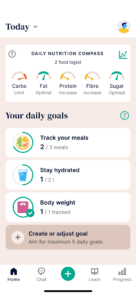
Your health coach will help you set the right personal goals that bring you closer to your feel-good weight.
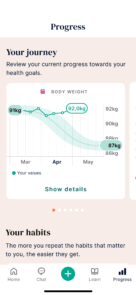
With your unique goals set, the Oviva app has all the tracking you need to work towards them with ease.
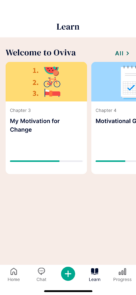
With learning content on nutrition, exercise, and motivation, you’ll become a weight-loss expert yourself.
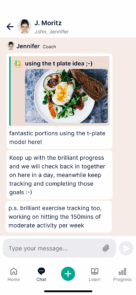
Get 1-to-1 support from a health coach and chat with our nutrition experts anytime via the Oviva app.
-
 Weight loss support
Hypothyroidism diet: what to eat and what to avoid
-
 Weight loss support
How to stop sugar cravings
-
 Weight loss support
Gout diet – what to eat and avoid to prevent flare ups