
Why am I gaining weight after working out?
You’re exercising regularly and putting in the effort, but the number on the scales is going up instead of down. It can be frustrating, especially when you’re trying to lose weight.
Exercise can sometimes cause temporary weight gain, particularly when you start a new workout routine or increase the intensity. This is often due to water retention as your muscles recover, rather than an increase in body fat. Building muscle can also affect your weight over time.
But there are other possible explanations, from changes in appetite to hormones and medication. Here, we’ll explore why you might be gaining weight despite exercising, how long these changes can last and what you can do about them.
Key takeaways
- You can temporarily weigh more after exercise because your muscles retain fluid during recovery and store carbohydrates for energy.
- Building muscle can increase your weight over time, even while you’re losing body fat and becoming fitter.
- Exercising more doesn’t always lead to weight loss – changes in appetite, eating habits, hormones, stress and medication can also influence your weight.
- The scales don’t tell the whole story – your strength, fitness, waist measurements and how your clothes fit can also help you track progress.
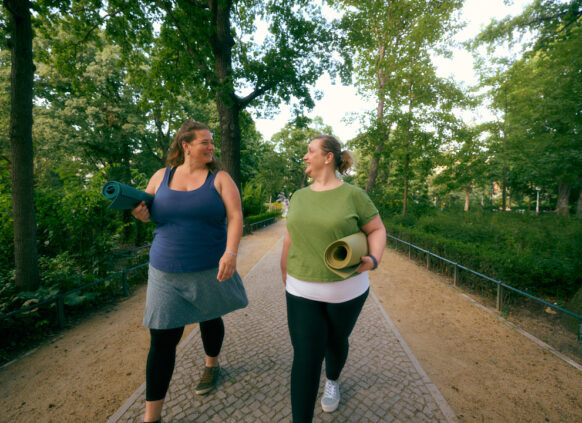
Can exercise make you gain weight?
Yes, your weight can increase after exercising – but it doesn’t mean you have gained body fat.
It’s actually normal for your weight to fluctuate as your body adjusts to exercise – you might notice it more when you’re starting a new workout routine or trying something more intense.
Even if you do not see changes in your weight straight away, continuing to move can support your long-term health. Physical activity helps you maintain muscle, support fat loss and reduce the risk of weight regain. It also supports your wider health, including your heart and brain. Remember, movement is a pillar of health, not just a means to lose weight.
6 reasons why you might be gaining weight despite exercising
1. Water retention and muscle recovery
Exercise puts your muscles under stress, particularly during strength training or unfamiliar workouts. This can cause tiny amounts of muscle damage, which your body works to repair.
As part of this recovery process, your muscles may temporarily retain more fluid, leading to a higher number on the scales.
The extra fluid usually reduces as your muscles recover.
What can you do?
Give your muscles time to recover, particularly after intense or unfamiliar workouts. You can alternate more demanding sessions with gentler activities, such as walking or stretching, and include rest days when needed.
Remember that temporary water retention isn’t the same as gaining body fat, so try not to focus too much on short-term changes on the scales.
2. Glycogen storage
Your muscles store carbohydrates as glycogen, which they use for energy during exercise.
When you start exercising more regularly, your body may increase its glycogen stores to help fuel your workouts. Glycogen is stored alongside water, so these changes can temporarily increase your weight.
This is a normal part of how your body adapts to physical activity, rather than a sign that your exercise routine isn’t working.
What can you do?
There’s no need to reduce your carbohydrate intake to prevent this temporary weight gain. Glycogen helps fuel your workouts, and the water stored alongside it is a normal part of how your body functions.
Focus on eating balanced meals and staying hydrated rather than trying to reduce the number on the scales after every workout.

3. Building muscle
Yes, building muscle can increase your body weight over time – with regular strength training, you may gradually gain muscle while losing body fat.
Muscle is denser than fat, meaning the same weight of muscle takes up less space than fat.
This is why you might notice changes in your body shape or how your clothes fit, even when the number on the scales stays the same or increases.
Building noticeable amounts of muscle takes time. If your weight increases immediately after a workout or within the first few days of starting a new routine, water retention is a more likely explanation than muscle growth.
What can you do?
Rather than focusing only on your weight, consider other signs of progress, such as getting stronger or improving your energy.
After years of searching, I finally found myself again. With the right support, every part of my life has changed for the better – and I wish I’d started sooner.
4. Stress can affect your weight
Stress can influence your eating habits, sleep and general wellbeing. It may also play a part in changes in your weight.
When you feel stressed, your body releases hormones, including cortisol, to help you respond to the situation. But because of these hormones, ongoing stress can affect your sleep, appetite and energy levels. Some people find that they feel hungrier or reach for food for comfort when life feels difficult.
Stress does not affect everyone in the same way, and weight changes rarely have just one cause.
What can I do?
You don’t need to manage stress perfectly to have a meaningful impact on your life. Finding small ways to look after yourself may help you feel better and support your long-term health.
Here are three simple ideas to try:
- Pause and take a few slow breaths
- Find movement that feels good – walking, swimming, dancing in the kitchen, gardening. It all counts.
- Make time for yourself for an activity you enjoy, like reading, listening to music or spending time outdoors. Even a short break can feel valuable on a busy day.
You do not need to try everything at once. Start with one small change that feels realistic for you.

5. Hormonal changes
Hormonal changes can affect your appetite, fluid retention and weight.
For example, your menstrual cycle can cause temporary weight fluctuations, while conditions such as an underactive thyroid may contribute to longer-term weight gain.
What can you do?
If your weight has increased unexpectedly, particularly alongside symptoms such as persistent tiredness or feeling unusually cold or hot, speak to your GP.
6. Medicines can affect your weight
Some medicines can contribute to weight gain or make managing your weight more challenging.
This can happen for different reasons, such as changes in appetite or fluid retention. The effects vary depending on the medicine and the individual, so not everyone will experience weight changes.
The effects vary from person to person and depend on the medicine and your individual circumstances.
What can I do?
If you’ve noticed weight gain after starting a new medicine, speak to your GP or pharmacist. They can review your medication and discuss whether any changes might be appropriate.
Never stop taking prescribed medication or change your dose without medical advice.
Take small steps towards lasting change with Oviva
If you’re exercising regularly but struggling to lose weight, it can be frustrating when your efforts don’t seem to be paying off. But exercise is only one part of weight management, and you don’t have to figure everything out on your own.
Oviva offers an NHS-funded medical weight loss programme for eligible adults, with personalised support to help you understand your eating habits, manage your weight and make sustainable changes.
With guidance from qualified healthcare professionals and practical tools such as our photo food diary, you can build healthier habits that fit around your lifestyle and work towards your weight-loss goals.

Medically reviewed by Lucy Diamond
Lucy Diamond is a UK-registered dietitian and Vice President of Patient Outcomes at Oviva.
With almost a decade of NHS experience and a role on the Board of Directors at the British Dietetic Association (BDA), Lucy ensures Oviva’s programmes are evidence-based, patient-centred and reflect the latest clinical research.

Easily log your meals with the photo diary in the Oviva app – a simple way to keep track of what you’re eating.
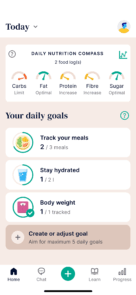
Your health coach will help you set the right personal goals that bring you closer to your feel-good weight.
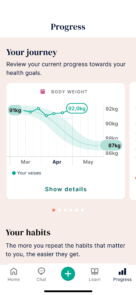
With your unique goals set, the Oviva app has all the tracking you need to work towards them with ease.
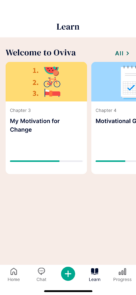
With learning content on nutrition, exercise, and motivation, you’ll become a weight-loss expert yourself.
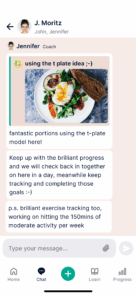
Get 1-to-1 support from a health coach and chat with our nutrition experts anytime via the Oviva app.
-
 Weight loss support
Carbs for weight loss: what to eat and what to limit
-
 Weight loss support
Is it harder to lose weight as you get older? How to lose weight after 60
-
 Weight loss support
Gallstones diet: what to eat and avoid