
Is it harder to lose weight as you get older? How to lose weight after 60
If losing weight feels harder than it used to, you’re not alone. As we get older, natural changes in our bodies and lifestyles can make it easier to gain weight and more difficult to lose it. But that does not mean improving your health is out of reach.
With the right support and sustainable habit changes, you can lose weight over 60. Understand why weight loss becomes more challenging with age and discover practical tips to help you make lasting changes that work for you.
Key takeaways
- You can lose weight over 60. Even later in life, small, realistic changes can have a big impact.
- Ageing affects your muscles, hormones, metabolism and lifestyle, making weight loss more challenging – but not impossible.
- Strength training, eating enough protein and staying hydrated can help support healthy weight management.
- Small habit changes are more effective than restrictive diets for achieving long-term results.
- If you have a health condition or take medication that affects your weight, getting personalised support can help you lose weight safely.
Can you lose weight later in life?
Yes – you can still lose weight as you get older.
While it may feel more challenging than it did when you were younger, it is still possible. As we get older, changes in our bodies and lifestyles can affect how easily we lose weight, but they do not have to stop you from improving your health.
Healthy eating and regular movement are both important. Rather than looking for a quick fix, focus on building realistic weight loss habits that you can maintain over time.
If you’re overweight, even a modest amount of weight loss can improve your health and lower your risk of conditions such as type 2 diabetes, heart disease and high blood pressure.

Why is it harder to lose weight as you get older?
As we age, both our bodies and lifestyles change, making it easier to gain weight and harder to lose it.
Some of the main reasons why it’s harder to lose weight as you age include:
1. A slower metabolism
As we age, we naturally begin to lose muscle.
As muscle mass decreases, your metabolism gradually slows down. This means your body burns fewer calories than it did when you were younger, making it easier to gain weight if eating habits stay the same.
2. Changes in hormones
Hormonal changes can affect how your body stores fat and maintains muscle.
For women, declining oestrogen levels during perimenopause and menopause can lead to more fat being stored around the abdomen. Similarly for men, testosterone can decline as you age which makes it more likely to gain weight and lose muscle mass.
Lower levels of growth hormone with age can also make it harder to build and maintain muscle.
3. Lifestyle changes
As we get older, many of us become less active because of work, retirement, caring responsibilities, health conditions or joint pain.
Recovery after exercise may also take longer, and stress or poor sleep can make managing weight more difficult.
4. Health conditions and medication
As we get older, we’re more likely to develop health conditions that can affect our weight or make it harder to stay active, such as hypothyroidism, osteoarthritis and type 2 diabetes.
Some medications can also make it easier to gain weight or more difficult to lose it. If you think your medication is affecting your weight, speak to your GP or healthcare professional before making any changes.
Although these changes are a normal part of ageing, they do not mean that weight management is impossible. With the right lifestyle changes, you can lose weight and improve your health over 60, if it’s right for you.
10 tips for losing weight as you get older
Losing weight later in life isn’t about eating less or exercising harder. It’s about finding an approach that works with your changing body and fits into your everyday life.
These evidence-based tips can help you build healthier habits to help you lose weight and manage it long term.
If you have a health condition or take medication that affects your weight, speak to your GP or healthcare professional before making significant changes.
Weight loss is not healthy for everyone as they age. For some people weight loss can be harmful in older years. Talk to your GP if you’re not sure what is right for you.
1. Lose weight gradually
Crash dieting can quickly lead to muscle loss and nutrient deficiency, especially in older age, and rapid weight loss is rarely sustainable. Once you go back to eating normally, the yo-yo effect often causes the weight to return.
Instead, focus on healthy, long-term eating habits that you can maintain for life. This could include:
- Filling half your plate with vegetables at lunch and dinner
- Choosing wholegrain carbohydrates where possible
- Including a source of protein with each meal
- Swapping sugary drinks for water or sugar-free alternatives
- Planning balanced meals to help avoid impulsive food choices
- Consider your snacks: Biscuits, cakes, pastries are often eaten out of habit but contain very little useful nutrition. Replace with fruit, a small piece of cheese, yogurt or nuts.
2. Prioritise protein at meals
Protein becomes more important as we get older because it helps maintain muscle mass. Muscle burns more energy than fat, even when you’re resting.
Protein also keeps you fuller and more satisfied after meals, so you’re less likely to reach for a snack.
Good sources of protein include:
- Eggs
- Fish
- Chicken
- Greek yoghurt
- Beans, lentils and tofu
- Nuts and nut butter
3. Change your eating habits instead of dieting
Restrictive diets often promise quick results, but they’re rarely something you can stick to.
While weight loss happens when you consume fewer calories than your body uses, you don’t need to count calories or restrict what you eat.
Instead, build healthy habits that naturally support a calorie deficit, such as:
- Including protein and fibre at meals to help you stay fuller for longer
- Eating regular, balanced meals
- Paying attention to your hunger and fullness cues
- Reducing mindless snacking where possible
Oviva helps you lose weight without strict dieting. With the app, you can track meals using a photo food diary, set personalised goals and access bite-sized educational content to help you build healthy habits that last.
Discover weight loss that works
4. Include strength training
Keeping your muscles strong can help support your metabolism. It’s also a great way to stay active and lose weight.
You don’t need to join a gym or lift heavy weights. Start with activities that feel manageable. Here are a few ideas:
- Chair exercises or sit-to-stands
- Squats or wall push-ups
- Light hand weights or bodyweight exercises at home
The most important thing is to start where you are and build up gradually. Even small amounts of strength-based activity can make a difference over time.
If you have any medical conditions that impact your ability to exercise, always discuss with your medical team first.
If you’re unfamiliar with strength exercises you can find out more on the NHS website.
5. Talk to your GP about your medication
Some medications can make it easier to gain weight or harder to lose it.
If you’ve noticed changes since starting a new medication, speak to your GP or healthcare professional. Never stop taking prescribed medication without medical advice.
6. Stay hydrated
As we get older, it’s easier to become dehydrated because our sense of thirst naturally decreases.
Drinking enough water supports your body’s normal functions and helps you recognise the difference between thirst and hunger so you don’t overeat.
Water, tea and coffee without added sugar are all good choices.
If you’re used to drinking sugary drinks daily and don’t feel like switching to water, try a sugar-free alternative instead.
This programme wasn’t just about losing weight; it changed my life and gave me the tools to maintain my health for the future.
7. Keep moving every day
You don’t have to spend hours in the gym to benefit from physical activity.
Walking, gardening, swimming, housework or dancing all count.
8. Get enough sleep
If you’re not getting enough sleep, it can affect the hormones that regulate hunger and appetite. This makes it harder to manage cravings and stick to healthy habits the next day.
You may not always be able to get the recommended 7–9 hours, especially if you’re juggling work, caring responsibilities or a busy family life.
Instead of aiming for perfection, look for small ways to improve your sleep. You could try:
- Keeping a consistent bedtime and wake-up time where possible
- Avoiding caffeine later in the day if it affects your sleep
- Putting your phone away 30–60 minutes before bed
- Taking 10–15 minutes to unwind with a book or a calming podcast before going to sleep
9. Choose satisfying snacks
If weight loss feels like a punishment, it’s impossible to stick to.
You don’t have to cut out snacks entirely or only eat food you don’t like. Instead, choose snacks that combine protein and fibre to help keep you fuller for longer.
For example:
- A handful of unsalted nuts
- Plain or Greek yoghurt with berries
- Dark chocolate rice cakes
- An apple with peanut butter
10. Enjoy food mindfully
Healthy eating should still be enjoyable. Allowing yourself flexibility can help you stay motivated and avoid the cycle of restriction and overeating.
Take time to eat mindfully, notice when you’re comfortably full and enjoy a wide variety of foods. Small, sustainable changes are much more likely to last than trying to be perfect.
If you’d like personalised support, Oviva’s healthcare experts can help you build healthier habits that fit your lifestyle. Together, you’ll set realistic goals and create a personalised plan that supports long-term weight loss, without giving up the foods you enjoy.
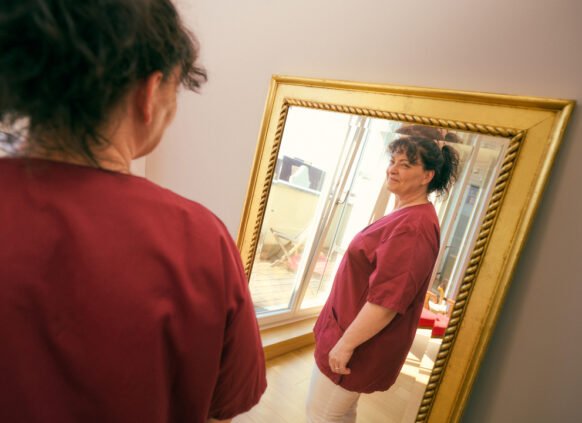
Get support on your weight loss journey
You don’t need a strict diet or willpower alone to lose weight later in life.
With the right support, you can make a real difference to your health, energy and confidence.
Oviva’s NHS-funded, fully remote weight loss programme is designed to fit around your life – not the other way around.
- Get a tailored weight loss plan from your health coach
- Track meals easily with a photo food diary
- Build realistic habits step by step
- Access weight loss medication, if appropriate
Find out more about Oviva and whether you could be eligible.
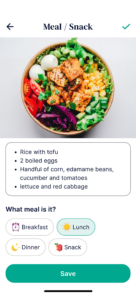
Easily log your meals with the photo diary in the Oviva app – a simple way to keep track of what you’re eating.
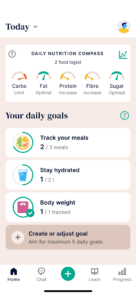
Your health coach will help you set the right personal goals that bring you closer to your feel-good weight.
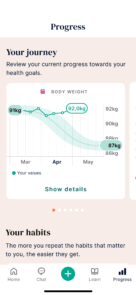
With your unique goals set, the Oviva app has all the tracking you need to work towards them with ease.
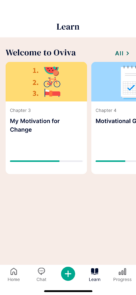
With learning content on nutrition, exercise, and motivation, you’ll become a weight-loss expert yourself.
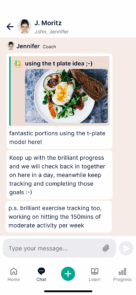
Get 1-to-1 support from a health coach and chat with our nutrition experts anytime via the Oviva app.
-
 Weight loss support
Why you’re always hungry
-
 Weight loss support
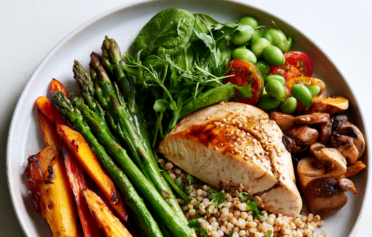
Healthy eating plate – an easy way to a balanced diet
-
 Type 2 diabetes
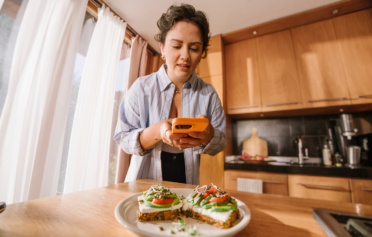
What is the best diet for insulin resistance?