
Reversing fatty liver disease (MASLD) with diet
The main treatment for fatty liver disease – now MASLD (previously NAFLD) – is diet and weight loss.
A simple, balanced diet, alongside losing around 10–15% of body weight where needed helps reduce fat in the liver and can even reverse early disease in many people.
It’s less about strict rules and more about steady, realistic changes you can stick to long term.
At Oviva, we help people build healthier habits that fit into everyday life. No fad diets. No calorie counting. Just practical support to help you make changes that last.
Key takeaways
- What you eat plays an important role in managing fatty liver disease. A Mediterranean-style diet is often recommended.
- Cutting back on alcohol, sugary drinks and foods high in added sugar can help reduce fat in the liver.
- Including protein with meals can help you feel fuller for longer and support healthy weight management.
- In the earlier stages, fatty liver disease can often be reversed. If the condition is more advanced, lifestyle changes can still improve liver health and help slow further damage.
How does diet affect fatty liver disease?
If you’ve been diagnosed with fatty liver disease, you might be wondering where to start.
The good news is that your diet can make a real difference. In fact, making changes to your eating habits is one of the most effective ways to improve fatty liver disease and support your overall health.
At the moment, there is no widely used medication that can treat fatty liver disease on its own. That’s why lifestyle changes, including what you eat, are considered the foundation of treatment.
If you’re carrying excess weight, losing even a modest amount can help reduce fat in the liver. The aim isn’t to follow a strict diet or get everything perfect. Small changes that you can stick to often lead to the best long-term results.
7 dietary tips for fatty liver disease
Changing the way you eat doesn’t have to mean overhauling everything overnight.
Instead, focus on making one or two small changes at a time. Those changes can build up and have a meaningful impact on your liver health over time.
1. Cut back on sugar
Foods and drinks high in sugar can contribute to fat build-up in the liver. The good news is that you don’t need to cut out every sweet food to make a difference.
A helpful first step is to look at where sugar regularly shows up in your day. For some people, that’s fizzy drinks or fruit juice. For others, it might be biscuits with a cup of tea, sweetened yoghurts or sugary breakfast cereals.
You could try:
- Swapping sugary drinks for sugar-free alternatives, herbal tea, tea or coffee
- Choosing plain or lower-sugar yoghurt instead of sweetened varieties
- Having porridge or another lower-sugar cereal
- Keeping sweets, cakes and biscuits for occasional treats rather than everyday habits
- Checking food labels – sugar can often be added to foods you might not expect
You don’t need to change everything at once. Starting with one or two small swaps can still make a meaningful difference over time.
2. Opt for healthy fats
Fat is an important part of a balanced diet, but some types of fat are better for your health than others.
Foods high in saturated fat can contribute to health problems when eaten in large amounts. Swapping these for unsaturated fats may help support your overall health and can form part of a liver-friendly diet.
Some simple swaps include:
- Using extra virgin olive oil instead of butter when cooking
- Choosing nuts and seeds as a snack instead of crisps
- Choosing reduced-fat cheese or lighter soft cheese spreads instead of full-fat cheese
- Swapping processed meat, such as salami or ham, for fish, eggs or other lean protein options
- Adding avocado to sandwiches or salads
- Eating oily fish, such as salmon or mackerel
- Focus on making small swaps where they feel realistic and manageable
3. Include more fibre in your day
Fibre can help you feel fuller for longer, support healthy digestion and keep blood sugar levels steadier after meals.
Many of us don’t get enough fibre, but increasing it doesn’t have to be complicated.
You could try:
- Choosing wholemeal bread over white bread
- Starting the day with porridge or a high-fibre cereal
- Adding beans, lentils or chickpeas to meals
- Aim to fill half your plate with vegetables at each meal
- Having fruit as a snack
A useful goal is to look for opportunities to add fibre to meals you already enjoy, rather than completely changing the way you eat.
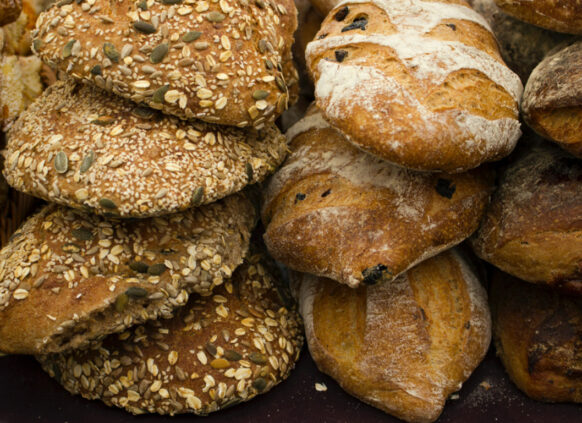
4. Be mindful of the carbohydrates you choose
Carbohydrates are an important source of energy, so there’s no need to cut them out completely.
However, simple carbohydrates (like white rice, white bread and pastries) are broken down very quickly by the body – they can cause blood glucose and insulin levels to rise rapidly, which may encourage the body to store more fat in the liver.
Where possible, try choosing higher-fibre carbohydrates more often, such as:
- Wholemeal, wholegrain or seeded bread
- Brown rice
- Wholewheat pasta
- Oats
- Potatoes and sweet potatoes (with the skin on)
These foods are digested more slowly, help keep you satisfied for longer and don’t spike your blood glucose.
5. Include a source of protein with meals
Protein can help you stay fuller for longer and may make it easier to lose weight.
It can also help make meals feel more satisfying, reducing the temptation to reach for snacks soon afterwards.
Good sources of protein include:
- Fish
- Chicken and turkey
- Eggs
- Beans, lentils and chickpeas
- Tofu
- Reduced-fat milk, yoghurt and other dairy products
A simple place to start is to ask yourself whether there’s a source of protein on your plate at each main meal.
Protein works particularly well alongside regular physical activity, including resistance exercises such as strength training or Pilates. Together, they can help preserve muscle while you’re losing weight.
6. Drink less alcohol where you can
Alcohol can place extra strain on the liver and may contribute to liver damage over time.
If you have fatty liver disease, reducing how much alcohol you drink can have a positive impact on your liver health.
It can also make weight loss more difficult – alcohol is often high in calories and makes it easier to overeat or snack.
If you drink alcohol regularly, you don’t need to make dramatic changes overnight. Small reductions can still make a difference.
You could try:
- Having a few alcohol-free days each week
- Choosing smaller measures
- Alternating alcoholic drinks with water or a sugar-free soft drink
- Exploring alcohol-free alternatives
Every step towards drinking less can help support both your liver health and your weight loss goals.
Giving up alcohol for weight loss
7. Be mindful of portion sizes
When it comes to fatty liver disease, it’s not just what you eat that matters, but how much.
Eating larger portions than your body needs can make weight management more difficult and may contribute to fat build-up in the liver over time.
That doesn’t mean you need to weigh your food or feel hungry.
Instead, you could try:
- Eating more slowly and checking in with your hunger levels
- Avoiding distractions like watching TV or scrolling when eating
- Serving meals onto a plate rather than eating from the packet
- Filling half your plate with vegetables or salad
- Waiting 10 minutes before going back for a second helping
Small changes to portion sizes can add up over time and may help support gradual, sustainable weight loss.
8. Eat less ultra-process foods
Ultra-processed foods are designed to be convenient and tasty, but eating them regularly has been linked with fatty liver disease and other health conditions.
You don’t need to avoid them completely. Instead, aim to make whole or minimally processed foods the foundation of your meals most of the time.
You could try:
- Cooking from scratch where possible
- Choosing fruit, vegetables, beans and wholegrains more often
- Swapping packaged snacks for nuts, fruit or plain yoghurt
- Choosing oats instead of sugary breakfast cereals
- Reading ingredient lists – in general, foods with fewer ingredients tend to be less processed
- Keeping takeaways and highly processed convenience foods for occasional meals rather than everyday habits
Remember, every meal doesn’t have to be perfect. Replacing just one or two ultra-processed foods each day with more nutritious alternatives can make a meaningful difference over time.

The support from the app and my coaching team was amazing! It was like a switch went off – I realised I wasn’t on a diet anymore. This is just how I eat and live now.
Foods to limit if you have fatty liver disease
When it comes to fatty liver disease, no single food causes the condition on its own. It’s your overall eating pattern that matters most.
That means there’s no need to completely ban your favourite foods. Instead, try to have some foods less often and focus on making balanced choices most of the time.
Foods high in added sugar and refined carbohydrates are worth paying particular attention to, as they can contribute to fat build-up in the liver.
Foods to be mindful of
| Category | Examples |
|---|---|
| Sugary foods and drinks | Fizzy drinks, fruit juice, sweets, cakes and biscuits |
| Refined carbohydrates | White bread, pastries, croissants, white rice and some breakfast cereals |
| Highly processed foods | Ready meals, packaged snacks and foods with long ingredients lists |
| Higher-fat dairy products | Cream, crème fraîche and full-fat creamy sauces |
| Processed meats | Sausages, salami, mortadella and other processed deli meats |
Foods that can support liver health
A liver-friendly diet doesn’t need to be complicated.
In general, foods that are higher in fibre, contain protein and provide healthy fats can help support your overall health and make it easier to manage your weight.
Foods to include more often
| Category | Examples |
|---|---|
| Vegetables | All vegetables |
| Fruit | Fresh, frozen or tinned fruit in natural juice |
| Higher-fibre carbohydrates | Wholemeal bread, oats, brown rice, wholewheat pasta, and boiled potatoes or potatoes with the skin on |
| Healthy fats | Olive oil, rapeseed oil, nuts, seeds and avocado |
| Lower-fat dairy products | Reduced-fat milk, natural yoghurt and other lower-fat dairy products |
| Protein-rich foods | Fish, chicken, eggs, beans, lentils, chickpeas and tofu |
| Lean meats | Lean cuts of beef, ham and other less processed options |
Breakfast idea: overnight oats with berries and yoghurt
One of the easiest ways to build a healthy breakfast is to combine fibre, protein and fruit.
Overnight oats are a simple option that can be prepared the night before, making busy mornings a little easier.
You’ll need
- 50g oats
- 150g low-fat natural yoghurt
- 100ml milk or an unsweetened plant-based alternative
- 1 tbsp chia seeds (optional)
- A handful of fresh berries
- 1 tsp honey (optional)
How to make it
- Mix the oats, milk and chia seeds in a bowl or container
- Leave in the fridge for at least one hour, or overnight
- Top with the yoghurt and berries before serving
- Add a teaspoon of honey if you’d like a little extra sweetness
Why this breakfast works
This breakfast provides:
- Fibre from the oats, berries and chia seeds
- Protein from the yoghurt and milk
- Vitamins and minerals from the fruit
- Long-lasting energy to help keep you satisfied throughout the morning
Can fatty liver disease be reversed?
For many people, yes.
If fatty liver disease is identified in its earlier stages, lifestyle changes can often reduce — and in some cases reverse — fat build-up in the liver.
The earlier changes are made, the better the chances of improving liver health.
Some of the most effective steps include:
- Making sustainable changes to your eating habits
- Losing weight if you’re living with overweight or obesity
- Managing related conditions such as type 2 diabetes
- Finding ways to be more active in your daily routine
It’s important to remember that improvement doesn’t happen overnight.
Small changes, repeated consistently, can have a significant impact over time. Even modest weight loss has been shown to improve liver health in many people.
If fatty liver disease has progressed to a more advanced stage, lifestyle changes are still worthwhile. They may help slow progression, improve liver function and support your overall health.

You don’t have to do it alone
If you’re living with overweight or obesity, losing weight can be one of the most effective ways to improve fatty liver disease.
Oviva is a clinically proven weight management programme that helps you achieve your goal weight without strict diets, calorie counting or quick fixes.
You’ll be supported by a dedicated healthcare professional who will help you create a weight loss plan that works for you.
And it’s all delivered remotely through our app, making it easier to fit support around work, family and everyday life.
Through the Oviva app, you can:
- Track meals using a simple photo food diary
- Receive personalised feedback and guidance
- Access practical educational content
- Set goals and monitor your progress over time
- Stay connected with your care team between appointments
Our approach is designed to help you make realistic changes that last – supporting both weight loss and improvements in your overall health.
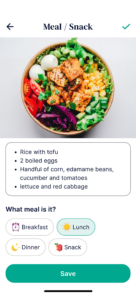
Easily log your meals with the photo diary in the Oviva app – a simple way to keep track of what you’re eating.
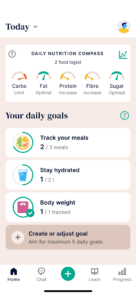
Your health coach will help you set the right personal goals that bring you closer to your feel-good weight.
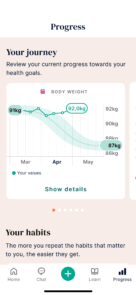
With your unique goals set, the Oviva app has all the tracking you need to work towards them with ease.
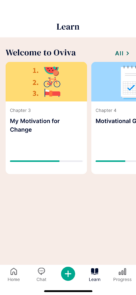
With learning content on nutrition, exercise, and motivation, you’ll become a weight-loss expert yourself.
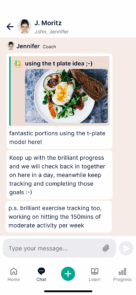
Get 1-to-1 support from a health coach and chat with our nutrition experts anytime via the Oviva app.
-
 Type 2 diabetes
What is the best diet for insulin resistance?
-
 Weight loss support
Orforglipron: everything you need to know about the new weight loss pill
-
 Weight loss support
Hashimoto’s diet: what to eat and avoid + how nutrition can support your thyroid