
Can Wegovy help me lose menopause weight gain?
If you’ve gained weight during menopause and lifestyle changes are no longer working as they used to, weight loss medications like Wegovy may help.
Hormonal changes during menopause can increase hunger, slow metabolism, and make your body respond differently to food. This means weight can increase even when you’re eating well and staying active.
Wegovy works by reducing hunger and helping you feel full for longer. For some women, this extra support can make weight loss feel more achievable when healthy habits alone are not enough.
Want to see if you’re eligible for Wegovy via an NHS-funded service, like Oviva?
Key Takeaways
- During menopause, hormonal changes and life transitions can affect weight in ways that may feel challenging, but you’re not alone in experiencing this.
- Losing this weight may be harder than before, and it’s understandable to feel frustrated when your usual efforts don’t seem to work.
- Wegovy may help when menopause makes weight loss feel harder – it reduces appetite and helps you feel fuller for longer.

Table of Contents
Can Wegovy help you lose weight gained in menopause?
How does Wegovy work for menopause?
How much weight can you lose with Wegovy?
Wegovy and menopause: what are the other benefits?
What are the criteria for Wegovy?
Can I take Wegovy and HRT together?
Can Wegovy help you lose weight gained in menopause?
Yes – Wegovy can help with menopause-related weight gain.
During menopause, shifts in hormones can increase appetite and make it harder to feel satisfied after meals. At the same time, your body may respond differently to food and weight loss efforts than it did before.
This is why weight can creep up – and why losing it can feel so difficult – even when you’re eating well and staying active. It’s not a lack of effort, and it’s not a personal failure. Sometimes, your body simply needs extra support.
Wegovy works by reducing persistent hunger and increasing feelings of fullness, making weight loss feel more achievable when lifestyle changes alone aren’t enough.

Many women tell us they’re doing everything right – eating less, moving more – and still watching the scale climb. That disconnect can feel frustrating and isolating. Menopause changes how your body responds, not how hard you’re trying.
Keren Miller, Clinical Expert Dietitian
How does Wegovy work for menopause?
If you’ve gained weight during menopause, Wegovy may be helpful because it’s designed to support some of the underlying changes that make weight gain more likely at this stage of life.
Here are some of the most common menopause-related changes that contribute to weight gain, and how Wegovy can support each one.
Weight gain from insulin resistance
During menopause, the amount of oestrogen in your body declines. This drop causes your cells to become less sensitive to insulin. This is called insulin resistance.
Insulin helps your body move glucose into your cells so it can be used for energy. When insulin resistance develops, glucose doesn’t get used as efficiently and is more likely to be stored as fat instead. Over time, this can lead to weight gain, especially around the abdomen.
In response, your body may release more insulin to try to manage rising glucose levels in the blood. Higher insulin levels can increase hunger and make it harder to feel satisfied after meals – which helps explain why appetite often increases during menopause.
By reducing appetite and overall food intake, Wegovy may help lower insulin levels and support better insulin sensitivity, making weight loss easier.

Increased appetite and cravings
Hormonal changes during menopause can increase appetite and cravings, making it harder to feel satisfied after meals.
You may notice you’re hungrier more often, thinking about food more, or feeling ready to eat again soon after a meal – even if your habits haven’t changed.
Wegovy helps by reducing appetite and increasing feelings of fullness. It mimics a hormone your body naturally releases after eating, called GLP-1. This slows digestion and helps you feel satisfied for longer and makes it easier to eat less.
A slower metabolism
With less oestrogen, it’s harder to retain muscle mass. And, because muscle helps your body burn calories, this can slow your metabolism over time. With a slower metabolism, weight can increase even if you haven’t changed how much you eat.
This can feel deeply frustrating, as if your body is working against you. But it’s OK to slowly relearn your body and what it needs now – it isn’t a sign you’re doing anything wrong.
Wegovy doesn’t speed up your metabolism. Instead, it supports weight loss by helping you feel fuller for longer and reducing appetite, making it easier to adjust your diet in a way that works with these changes.
When menopause affects mood and eating
Menopause can bring emotional changes alongside physical ones.
Mood changes, anxiety, or low self-esteem are common – and when you’re dealing with all of that, it can be harder to prioritise food, movement, or self-care in the way you’d like to.
This doesn’t reflect a lack of motivation or discipline. It’s a natural response to a period of real change, and many women find their eating patterns or activity levels shift as a result.
Wegovy may help by reducing background hunger and the urge to eat between meals, which may make daily choices feel more manageable.
Paired with support from healthcare professionals, it can create space to build habits that feel realistic, rather than restrictive.

How much weight can you lose with Wegovy?
In one long-term trial, people using Wegovy lost around 15% of their body weight across two years, compared with around 3% from diet and exercise alone. More than 75% of participants in this study were women.
Wegovy works best when it’s used alongside healthy lifestyle habits, like nutrition and movement. It isn’t a replacement for these – it’s a support. This combined approach helps you see meaningful results that are more likely to last, even after medication stops.
At Oviva, users lose an average of 15% of their body weight within one year through our clinically-backed weight loss programme, which combines Wegovy with a personalised weight loss plan and 1:1 health coaching.
Wegovy and menopause: what the other benefits?
Alongside weight loss, some women notice changes that affect how they feel day to day, not just the number on the scale:
- Hot flushes that feel less intense or less frequent
Losing weight has been linked to fewer hot flushes for some women. This may be because extra weight can make it harder for your body to cool itself down.
- Better sleep
Hot flushes and hormone fluctuations can make good quality sleep feel hard to come by during menopause. Weight loss has been linked to improved sleep quality, which may help you feel more rested and resilient.
- Improvements in blood pressure
Menopause – and some types of oral HRT – can increase blood pressure. Research suggests semaglutide, the active ingredient in Wegovy, may help support healthier blood pressure levels in postmenopausal women.

Support for long-term heart health
Weight changes during menopause often show up around the middle, which can affect heart health over time. Supporting weight loss can help reduce this longer-term risk.
Discover expert ways to lose belly fat
Steadier mood and energy levels
Some women notice fewer mood swings or less irritability. This may be linked to more stable blood sugar levels, which can reduce the highs and crashes that affect mood and energy.
What are the criteria for Wegovy?
You may be eligible to receive a prescription for Wegovy if you have a BMI over 35 and at least one weight-related health condition, such as:
- Diabetes
- High blood pressure
- Heart disease
- Asthma
- Polycystic ovary syndrome
- Sleep apnoea
- Depression
Can I take Wegovy and HRT together?
Yes – Wegovy can be taken alongside HRT.
However, because Wegovy slows digestion, it may affect how well oral HRT is absorbed. If that’s a concern, your doctor may prescribe a different type of HRT, like patches or gels.
Some early research suggests that combining Wegovy and HRT may lead to greater weight loss than using Wegovy on its own for postmenopausal women. Larger studies are still needed, but these findings are encouraging.

4 simple habits to manage weight during menopause
Wegovy can be a helpful support during menopause, but it works best alongside healthy habits that feel realistic and sustainable long term.
These changes aren’t about perfection – they’re about working with your body and building habits that support weight management over time.
1. Try strength and resistance training
During menopause, it’s common to lose some muscle mass, which can slow your metabolism. Research shows that strength and resistance training can help women maintain and build muscle during menopause – helping to boost your metabolism and support healthy weight loss.
You don’t need intense workouts for it to help. Simple bodyweight exercises, resistance bands, or light weights, even once or twice a week, can make a difference.
2. Focus on eating nutritious foods
Instead of focusing on rules and restrictions, think about the simple, nourishing meals you enjoy that keep you satisfied.
A useful starting point is to make sure most meals include:
- a source of protein (like eggs, fish, chicken, yoghurt, tofu or beans)
- plenty of vegetables or fruit (half your plate)
- a source of fibre, such as wholegrains, lentils, chickpeas, nuts or seeds
You don’t need to overhaul everything at once. Even small changes, like adding extra veggies, choosing wholegrain bread, or including a protein-rich snack, can help support your weight loss journey.
3. Look for easy ways to move around more
Being more active doesn’t have to mean going to the gym or following a workout plan. Small, everyday movement still counts – and it adds up.
Simple ideas include taking the stairs when you can, going for a short walk, or choosing to walk rather than drive for short trips. Dancing in the kitchen, doing a bit of gardening, or moving around the house all help too.
These small bursts of movement can support weight management – and many women also find they help lift mood and energy levels.

4. Be mindful of alcohol intake
Alcohol can quietly get in the way of weight loss. It’s easy to underestimate how much it adds up, and it can also make you feel hungrier or more likely to snack.
During menopause, alcohol may worsen symptoms like hot flushes and poor sleep – which can leave you feeling more tired and less motivated the next day.
You don’t have to give it up completely. Many people find that a few alcohol-free days a week, or simply drinking a bit less when they do, helps support both weight loss and how they feel day to day.
Think Wegovy could help your menopause weight gain?
If weight loss has felt harder during menopause, you don’t have to figure it out on your own. It may be worth exploring whether you’re eligible for support and prescription Wegovy through Oviva’s NHS-funded weight loss programme.
- A personalised weight loss plan, designed by healthcare professionals who understand women’s bodies and the specific challenges associated with menopause
- 1:1 support, with a personalised and sustainable approach to weight loss
- A free app, where you can set goals, track progress and speak to your support team
- Access to weight loss medication, when appropriate, offered via the NHS
Get your free info pack and speak to your GP to request a referral to Oviva.

Easily log your meals with the photo diary in the Oviva app – a simple way to keep track of what you’re eating.
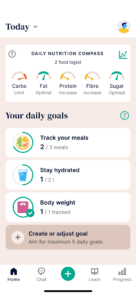
Your health coach will help you set the right personal goals that bring you closer to your feel-good weight.
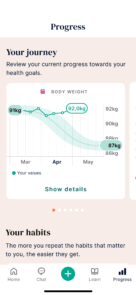
With your unique goals set, the Oviva app has all the tracking you need to work towards them with ease.
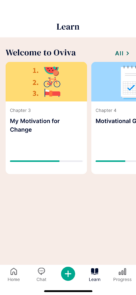
With learning content on nutrition, exercise, and motivation, you’ll become a weight-loss expert yourself.
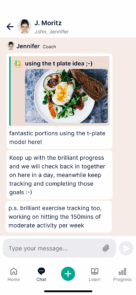
Get 1-to-1 support from a health coach and chat with our nutrition experts anytime via the Oviva app.
-
 Weight loss support
How to come off Wegovy without gaining weight (+ 2-week plan)
-
 Weight loss support
 -
 Weight loss support