
Prediabetes diet: what to eat to get things back on track + free list
Prediabetes means your blood glucose levels are higher than normal. This doesn’t mean you’ll definitely develop type 2 diabetes – but there is an increased risk.
The good news? Eating a healthy diet can make a big difference to getting your health back on track and reversing prediabetes. There’s no one-size-fits-all prediabetes diet plan, it’s about making healthy changes to your diet that are realistic for your lifestyle.
Looking for more support? Oviva’s NHS-funded weight loss plans help you lose weight long-term by building healthy, realistic habits you can maintain year after year, plus access to prescription weight loss medication if you’re eligible.
Key Takeaways
- Making healthy, realistic changes to your diet can help reverse prediabetes and lower your risk of type 2 diabetes.
- You don’t need to cut out your favourite foods. Try to focus on balanced portions, nourishing meals, and reducing processed foods.
- Avoid fad diets and quick fixes. Gradual change is safer and healthier for your body, like eating well, exercising and managing stress.
- Some diet plans, like the Mediterranean or DASH diet, have been shown to help reduce the risk of type 2 diabetes.

Prediabetes diet cheat sheet
If you’ve been told you have prediabetes, it’s common to feel overwhelmed – especially when it comes to knowing what to eat.
While there’s no simple list of ‘good’ and ‘bad’ foods, these cheatsheets can help you to make sensible, healthy food choices to help reverse your prediabetes:
Foods to eat
This prediabetes diet food list supports balanced blood glucose so you can work towards taking control of your health.
Remember, a healthy diet for prediabetes doesn’t need to be restrictive – it’s about balance and consistency over perfection.
| Food type | Examples | Portion advice | Why recommended |
| Wholegrain carbohydrates |
|
A quarter of your plate, or half a cup | Slow-release energy and high fibre keeps blood glucose steady. |
| Vegetables |
|
Half your plate | High in fibre to keep you full for longer and support healthy blood glucose. |
| Fruits |
|
Roughly 80 g (an apple-sized portion) | Fibre-rich and full of nutrients. Eaten in the right portions, they can help manage cravings and energy dips. |
| Lean poultry |
|
60 to 90 g (around the size of a deck of playing cards) | Lean protein helps keep you full and supports blood sugar stability without excess saturated fat. |
| Fish |
|
100 to 140 g (around the size of your palm) | Protein keeps blood glucose steady. Omega-3s reduce inflammation and support insulin sensitivity. |
| Low-fat dairy |
|
A standard yoghurt pot, 30 g of cream cheese, around 100 g of cottage cheese | Keeps you full for longer and reduces blood glucose spikes. |
| Legumes |
|
150 g (tinned or cooked) | Fibre and protein slow digestion and support steady blood glucose. Can also aid with appetite control for weight loss. |
Foods to limit
The following foods have been associated with an increased risk of type 2 diabetes. You don’t need to cut them out completely, but try to eat them in moderation and look for alternatives:
| Food type | Examples | Why limit? |
| Red and processed meats |
|
Often high in saturated fat and salt – linked to a higher risk of type 2 diabetes |
| Sugary drinks |
|
High in sugar and can spike blood glucose. Fruit juices also lack the healthy fibre content of whole fruits. |
| Refined carbohydrates |
|
Digested quickly so you don’t stay full for long, and cause blood glucose spikes. Often calorie-dense, making it harder to manage weight. |

A diet for prediabetes – foods to eat and avoid
Building a balanced prediabetes diet plan doesn’t have to mean strict rules or cutting out everything you enjoy.
It’s about making thoughtful choices, eating regularly, and focusing on foods that support steady energy and blood glucose levels.
Here are some simple ways to apply the food lists above to your day:
- Breakfast: Meals that combine complex carbohydrates, protein, and healthy fats fuel your morning and keep blood sugar steady.
- Lunch: A good dose of protein and fibre helps you feel full and reduces snacking later in the day.
- Dinner: Focus on balanced portions, with whole foods where possible. Try to limit processed foods – they can cause blood glucose spikes and make it harder to lose weight too, if that’s part of your journey.
Get some meal inspiration below, with recipe links that make it even easier!
| Meal | Meal options | Foods to avoid |
| Breakfast | Porridge or overnight oats – Add a handful of blueberries and some low-fat or plant-based milk
Yoghurt bowl – Top a low-fat Greek yoghurt with some raspberries or cherries |
Processed meats, like bacon and sausages
Sugary breakfast cereals If you enjoy toast in the mornings, consider switching from white bread to wholemeal bread |
| Lunch | Chicken salad | Ready meals
Unhealthy snack options for your lunchbox, like crisps and chocolate bars – you can replace these with a handful of unsalted nuts or a low-fat yoghurt. |
| Evening meal | Prawn pasta
Tofu stir fry – tofu, whole grain noodles, onion, pepper, spinach, mushrooms and garlic |
Ultra-processed foods, like chips, sausages and frozen pizza
Ready meals Pre-made sauces, which often contain high amounts of sugar or salt |

I’m no longer type 2 diabetic. I’m fitter and I’ve got the opportunity to live maybe a sight longer than what I did before.
Snacking with prediabetes
If you feel hungry between meals, look for healthy snacks you enjoy, that can keep your energy and blood glucose steady.
Try to focus on foods with nutritional value:
- Fruit contains fibre
- Walnuts contain omega-3 and protein
- Almonds are rich in fibre and vitamin E
- Low-fat yoghurt offers protein, calcium and probiotics that aid gut health
- Dark chocolate’s antioxidants can reduce inflammation and insulin sensitivity
Try to limit processed snacks, like crisps and chocolate bars, as much as you can.
Healthy eating plans
If you’d find it helpful to follow a more structured diet plan, the Mediterranean and DASH diets have been shown to benefit people with prediabetes. These diets focus on balanced meals, plenty of fibre, and healthy fat – and are linked to a lower risk of developing type 2 diabetes.
You can also check out our 7-day healthy diet plan for weight loss, which follows the same principles as a healthy diet for people living with prediabetes.
Healthy recipes for weight loss
Can I drink alcohol with prediabetes?
Yes – you can drink alcohol if you’re living with prediabetes, but moderation is important.
Many alcoholic drinks are high in sugar and calories, which can raise your blood glucose and make it harder to manage your weight – both of which are key in reversing prediabetes and reducing your risk of type 2 diabetes.
If you do choose to drink:
- Avoid sugary drinks like cocktails, liqueurs and alcopops
- Choose lower-sugar options such as dry wine, spirits with diet mixers, or light beer
- Aim for several alcohol-free days each week to give your body time to recover
Alcohol can also affect your energy levels and decision-making around food, which may make healthy eating more difficult – especially in social settings.
And if you’re curious, here’s what happens when you stop drinking for a month…

Should I try fasting?
Intermittent fasting – like the 16:8 method (eating within an 8-hour window, fasting for 16) – is sometimes used to manage prediabetes.
Could it help?
- May lower blood glucose and reduce overall calorie intake
- Some studies show benefits for people with prediabetes
- But the evidence is still mixed, and more research is needed
Things to consider:
- Fasting isn’t right for everyone
Some people feel tired or end up overeating later - It may affect mood, energy or routine
If you’re thinking about fasting:
- Speak to your healthcare team first
- Stay hydrated with sugar-free fluids
- Break your fast with balanced meals (including fibre, protein, healthy fats)
Can I reverse my prediabetes with diet alone?
A healthy, balanced diet plays a key role in reversing prediabetes – but it’s most effective when combined with other lifestyle changes.
What makes the biggest difference?
- Eating well: A balanced diet with fibre, lean protein and whole grains can support steady blood sugar levels.
- Losing weight: If you’re living with overweight, even a 5% weight loss can improve insulin response and lower blood glucose.
- Moving more: You don’t need a gym – walking, stretching, or taking the stairs all help reduce the risks linked to a sedentary lifestyle.
- Managing stress and quitting smoking (if you smoke) can also support your long-term health.
You don’t need to change everything at once – just focus on one step at a time.
Read more: Prediabetes: symptoms, causes and what you can do
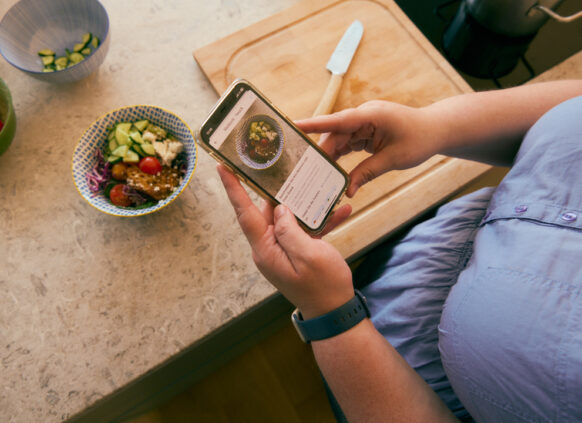
Don’t do it alone – choose Oviva
If you’re diagnosed with prediabetes, understanding what action to take can be difficult. There’s a lot of information out there, and making sense of it can be a challenge.
With NHS-funded weight management support from Oviva, you can cut through the noise:
- Clinically led, with support from doctors, dietitians, health coaches and more
- Personalised, 1:1 support
- Realistic eating plans – no fad diets, no calorie counting and no strict rules
- 100% remote, with no need to attend in-person meetings
- Recommended by 97% of users
You’ll receive a free app to track your progress and stay in touch with your healthcare team. You may also receive prescription weight loss medication, like Wegovy, if appropriate.
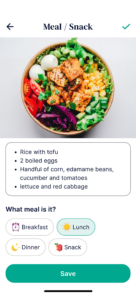
Easily log your meals with the photo diary in the Oviva app – a simple way to keep track of what you’re eating.
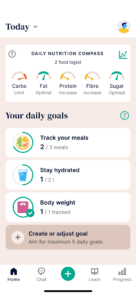
Your health coach will help you set the right personal goals that bring you closer to your feel-good weight.
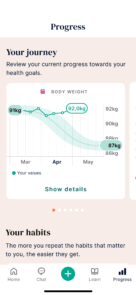
With your unique goals set, the Oviva app has all the tracking you need to work towards them with ease.
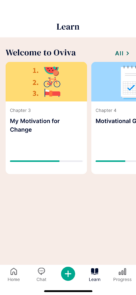
With learning content on nutrition, exercise, and motivation, you’ll become a weight-loss expert yourself.
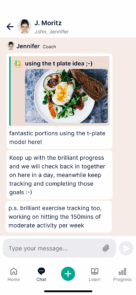
Get 1-to-1 support from a health coach and chat with our nutrition experts anytime via the Oviva app.
-
 Type 2 diabetes
 -
 Success stories
 -
 Type 2 diabetes